Coffee often arrives at the part of a holiday party when everyone wants to slow down. Dinner is finished, dessert is out, and guests are ready to sit and talk. A well-planned station makes that moment feel easy. An overlooked one can leave the host searching for cups while a line forms beside the pie.
Before choosing a coffee urn rental, plan the service you need: who will drink coffee, when they will want it, what size serving you will offer, and who will keep the station ready. Then match the equipment to that plan. The number in a product name is a starting point for a conversation, not the number of large mugs you can promise your guests.
Decide when coffee belongs in the event
A short after-dinner coffee service is different from an open house that runs for several hours. At dinner, demand may arrive in one wave when dessert is served. At an office lunch or holiday drop-in, guests may visit throughout the event. Those patterns affect how much coffee must be ready at one time and whether an approved replenishment plan is needed.
Write down the service window, expected coffee drinkers, and any separate regular and decaf requests. Include the person responsible for the station. That person needs to understand the equipment instructions and know who to contact if something is not working as expected. Renting a maker does not automatically supply coffee, ingredients, an attendant, or brewing service; confirm what your arrangement includes.
- When should the first coffee be ready?
- Will guests arrive together or in waves?
- What serving size will you actually offer?
- Will you offer regular coffee, decaf, or both?
- Who will check cups, supplies, spills, and the service schedule?
Separate brewing equipment from serving vessels
People use the word urn for different kinds of coffee equipment. Some units brew coffee; some vessels only hold or dispense coffee prepared elsewhere. Do not choose equipment from its appearance alone. Ask what the actual unit does, what is included, and which instructions apply to it.
Harleysville Party Rental lists a Coffee Maker, 60 Cup and a Coffee Maker, 110 Cup. The catalog describes these as coffee makers. It does not establish the ounce size behind each named cup or identify the manufacturer and model in the listing. Ask the team to confirm those details for the unit available for your event before calculating servings or arranging service.
Also ask about brewing time, usable yield, permitted batch sizes, how replenishment is handled, and the required power and placement. These are equipment-specific questions, not details to guess from another maker's manual. Follow the instructions supplied for the actual unit.
Convert servings into ounces before comparing capacity
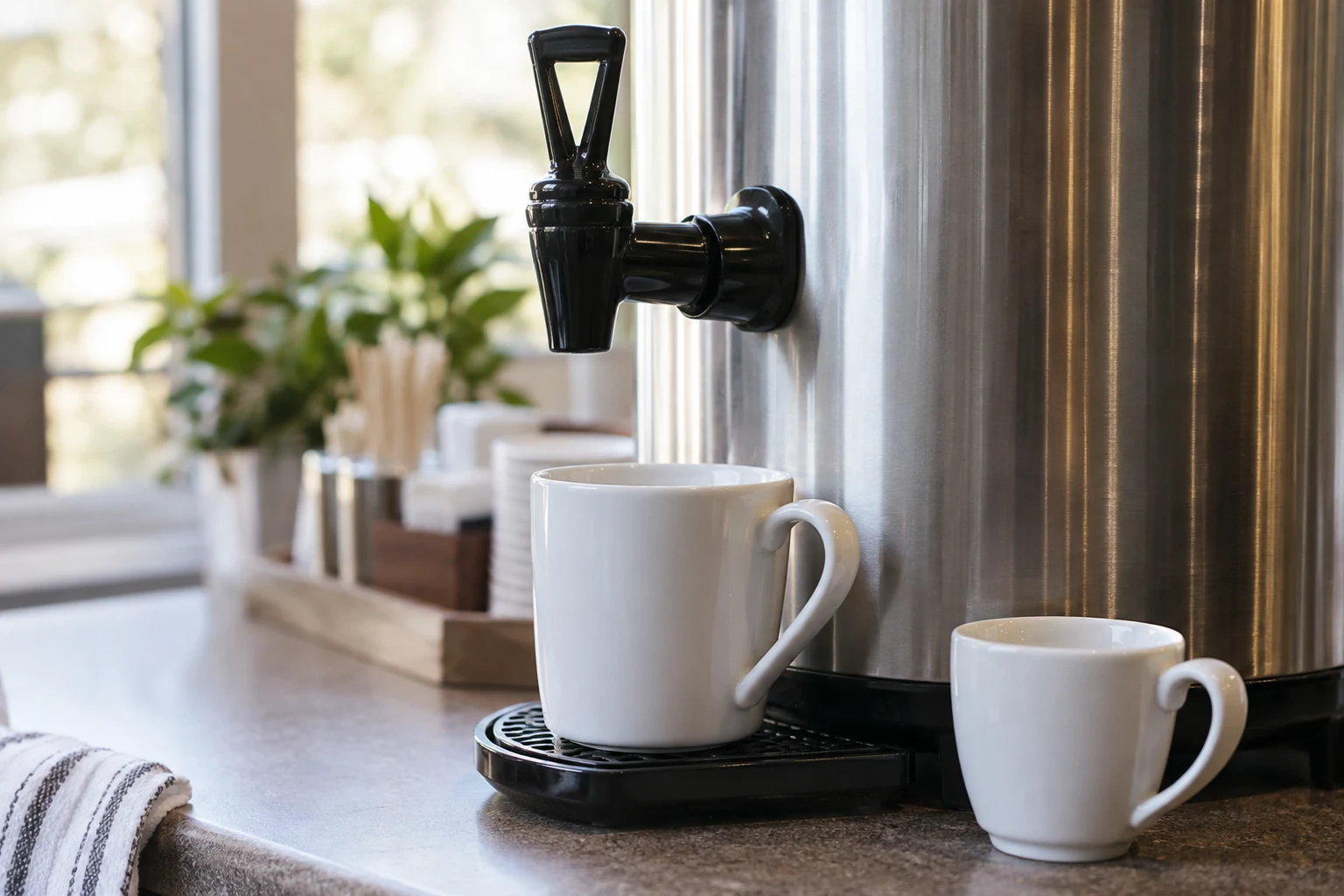
A maker's named cup capacity is not necessarily the same as your guest's mug. Your serving cup may hold more than the measure used in the equipment rating, and guests may leave room for milk. Confirm the actual serving vessel and intended pour before estimating demand.
For a planning example only, imagine 30 expected coffee drinkers, each having an average of 1.5 servings with an 8-fluid-ounce coffee pour. The arithmetic is 30 × 1.5 × 8 = 360 fluid ounces. Those are hypothetical assumptions, not a recommended amount for every party or a yield claim for either HPR maker.
Next, compare your estimate with the provider-confirmed usable yield in ounces and the planned service timing. If that yield is not known, do not convert a 60-cup label into 60 eight-ounce drinks. Discuss the assumptions and a suitable plan with the team. Separate the total event demand from the amount that needs to be ready during the busiest serving period.
Regular and decaf need their own demand estimates and clearly distinguished service. A single total cannot tell you the right split. Think about your guests and menu, then confirm separate equipment or serving arrangements if both options are part of the plan.
Lay out the station in the order guests use it
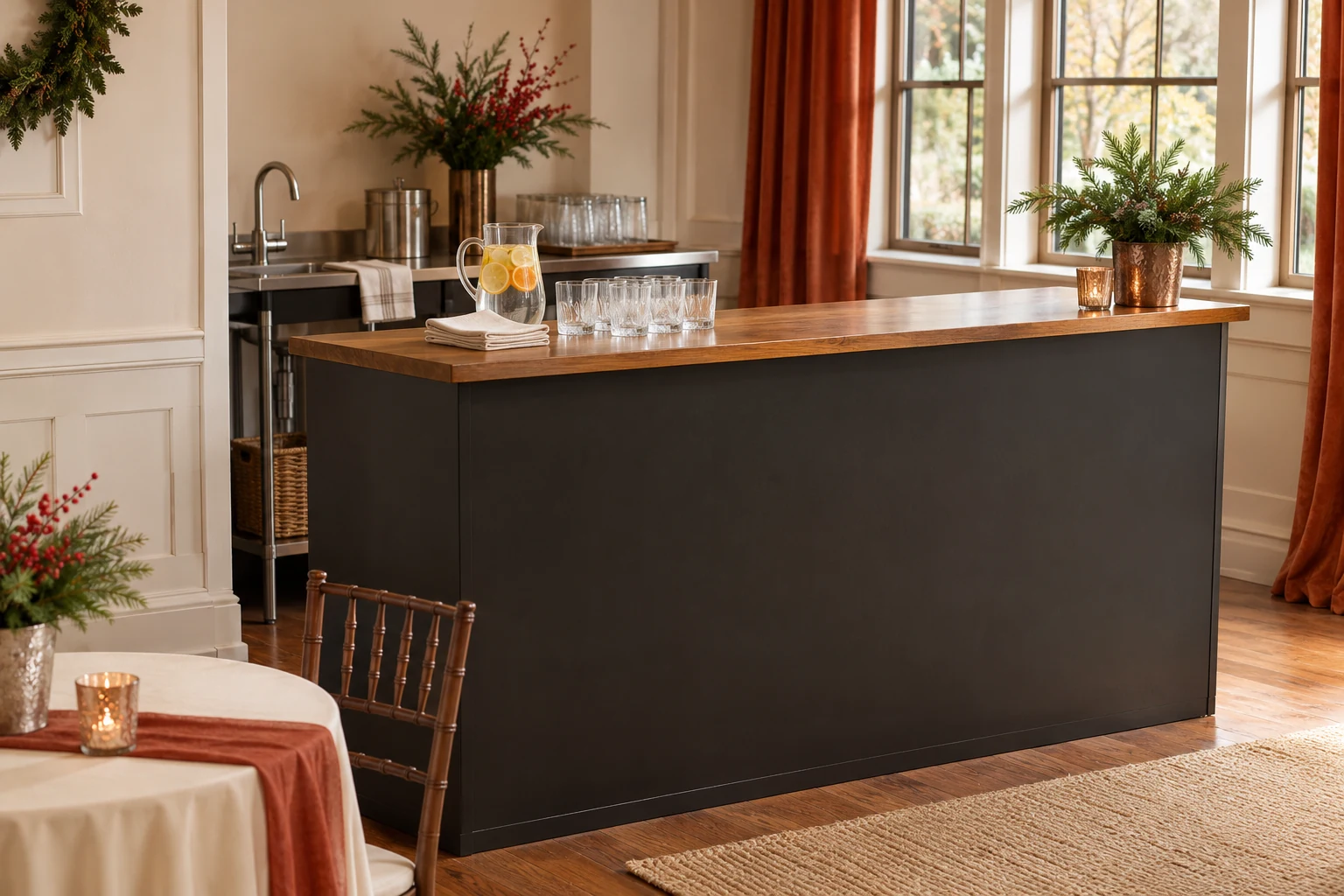
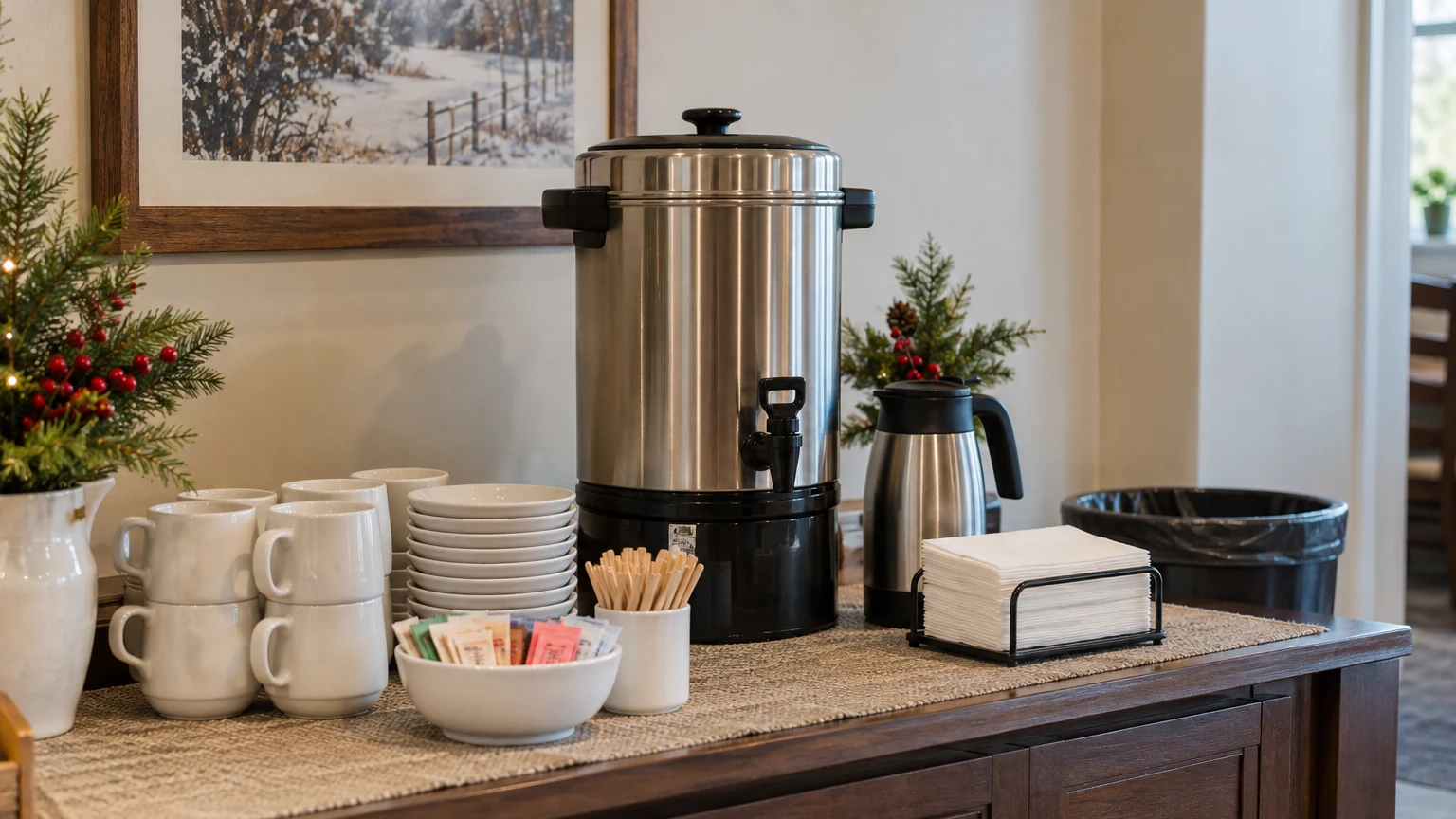
Put yourself in a guest's place. You need a cup, coffee, any additions, and a place to finish before rejoining the party. Arrange those steps so a person stirring milk is not blocking the next pour. Keep the station distinct from the main dessert display if the shared space would create a bottleneck.
- Start with the approved stable surface and equipment position.
- Place clean cups and any appropriate saucers where guests can collect them easily.
- Allow a clear approach to coffee service and room to set a cup down as intended.
- Give milk, sweeteners, and stirrers their own space after the pour.
- Place an obvious waste or used-item destination away from clean supplies.
Ask the provider and venue to confirm the surface, placement, power needs, and safe routing of any cable for the actual equipment. Keep the station away from a busy doorway and out of children's play areas. Do not improvise electrical connections or move a filled unit to improve the layout. Let the approved instructions and responsible operator determine handling.
Count cups, additions, and cleanup supplies separately
Coffee volume and cup quantity are different calculations. If guests keep the same cup for a refill, the vessel count may differ from a service where fresh cups are collected each time. Decide which approach fits your event, discuss reasonable extras, and confirm the rental quantity rules for each piece. If using household mugs, check that you have enough usable ones for the plan.
For china service, HPR's catalog includes a White China Cup. Confirm its actual liquid capacity and matching pieces rather than reading the measurement in its name as a fluid-ounce rating. Add spoons or other utensils according to what you will serve, and ask about the handling and return requirements.
Milk and cream need a food-safe service plan, not simply an attractive container. Assign responsibility for keeping perishables appropriately chilled and replenished. The FDA's safe buffet guidance is useful for reviewing cold holding and time limits with your food provider. Keep ingredient packaging available for questions and identify alternatives accurately without making allergen-free promises.
Build a small supply list for coffee, approved filters if required, drinking vessels, sweeteners, additions, napkins, and waste. Check what is included in the rental and what you must supply. If linens are part of the station, discuss the table and equipment arrangement with the team before selecting a cloth.
Use a worksheet before you reserve the equipment
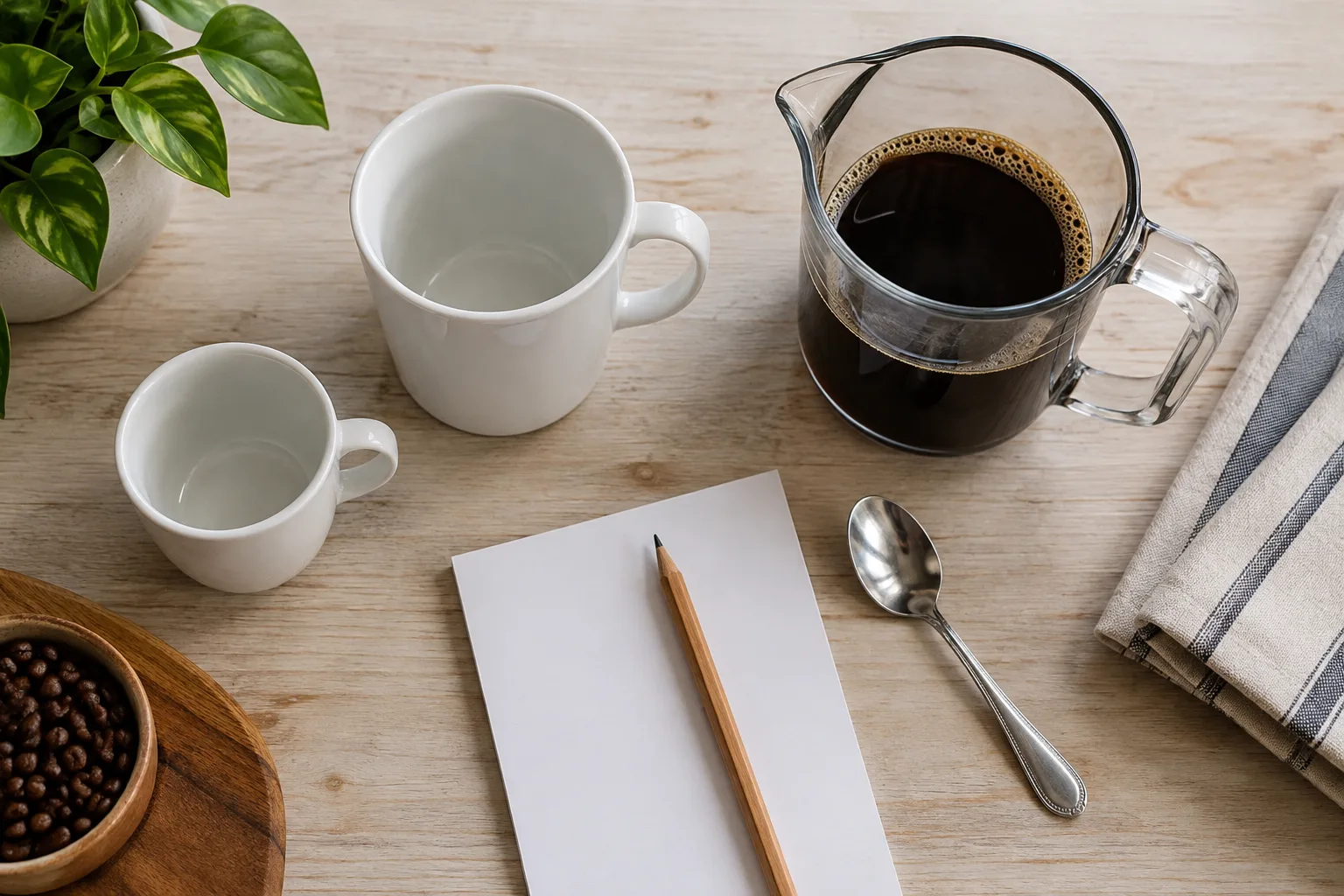
Use the printable checklist below to record your assumptions and unresolved questions. The worksheet deliberately separates expected coffee demand from the maker's confirmed usable yield. It also gives the station a named owner, because a well-stocked table still needs someone watching it during service.
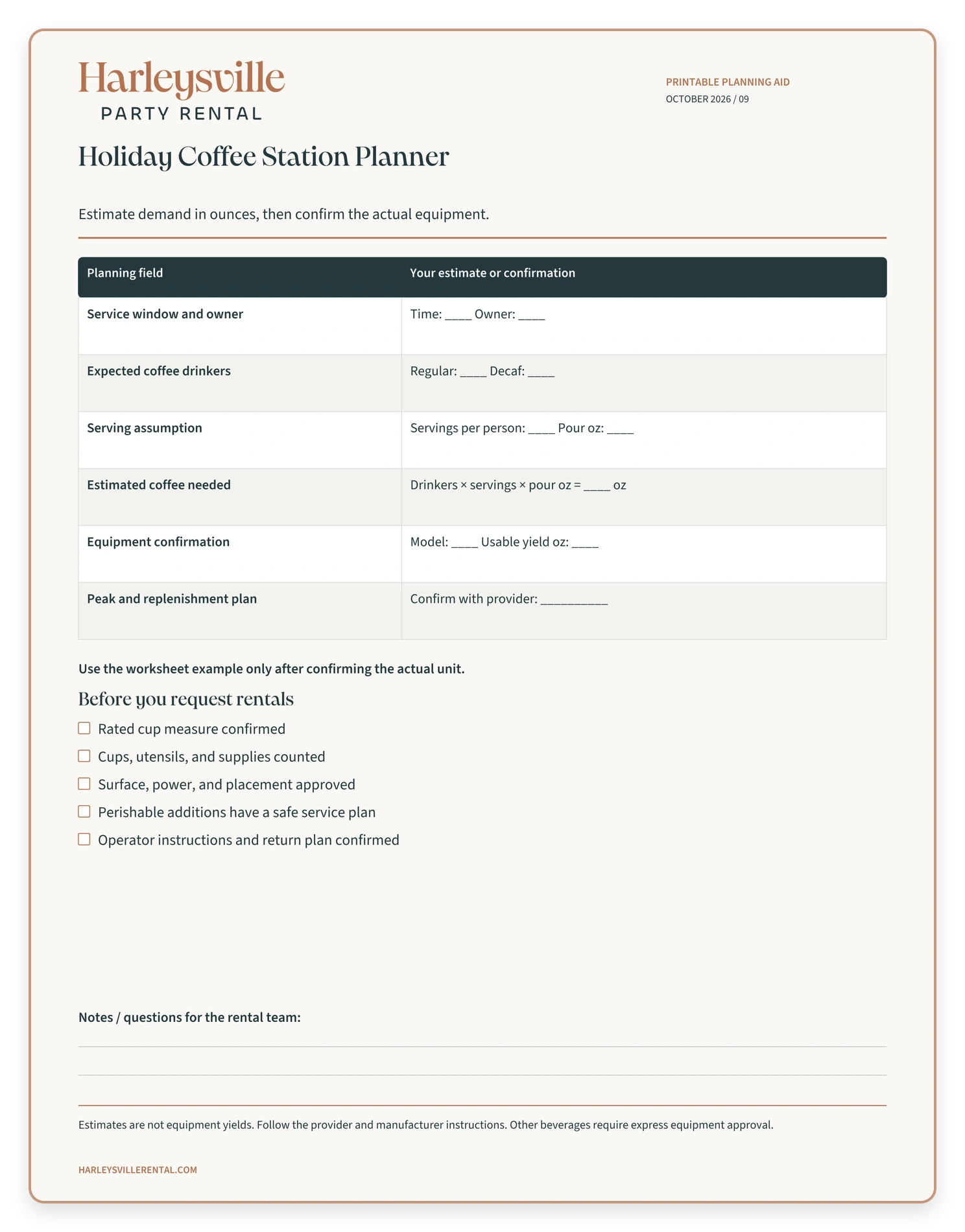
Open the full-resolution planning worksheet to print or save.
Once the plan is clear, request a coffee-service rental quote with the event date, address, service window, guest count, expected coffee drinkers, serving size, and regular or decaf needs. Mention the available surface and any venue restrictions. You can also call 215-256-4444 to discuss the equipment and the questions still open. Confirm availability and the final arrangements before treating the station as booked.
Frequently asked questions
Does a 60-cup coffee maker serve 60 guests?
Not necessarily. The rating depends on the cup measure used for the equipment, and guests may choose larger pours or refills. Ask for the actual unit's usable yield and compare it with your expected coffee drinkers, pour size, and service timing.
Can I use the coffee maker for cider, cocoa, or milk?
Do not assume so. Use it only for beverages and processes expressly permitted by the manufacturer for the actual unit and confirmed by the rental provider. A coffee-maker listing is not approval to heat other drinks.
Do I need one coffee maker or more than one?
That depends on usable yield, peak demand, brewing and replenishment timing, and whether you need separate regular and decaf service. Share those details with the team. The total invitation count alone is not enough to choose the equipment.
Is it enough to rent the maker and cups?
Check the full service list. Coffee, permitted filters if required, additions, utensils, napkins, an approved surface and power arrangement, a responsible operator, and cleanup all need an owner. Confirm what the rental includes instead of assuming supplies or staffing are part of it.