
You said yes. You picked a date. Maybe you've even found the perfect outdoor venue with rolling hills and open sky.
Now comes the question that trips up almost every couple planning an outdoor wedding: what kind of tent do you actually need?
Tent rentals can feel overwhelming. There are sizes, styles, sidewall options, flooring decisions, and timing considerations that most couples have never thought about before. And unlike choosing flowers or cake flavors, getting the tent wrong affects everything else.
This guide walks you through the decisions that matter most, so you can book with confidence and focus on the parts of wedding planning you actually enjoy.
Start with Your Guest Count (Then Add Space)
The most common mistake couples make is calculating tent size based only on seated guests. A tent needs to hold more than chairs.
Here's what actually goes inside:
- Tables and seating for your guest count
- Dance floor (if you want one)
- DJ booth or band setup
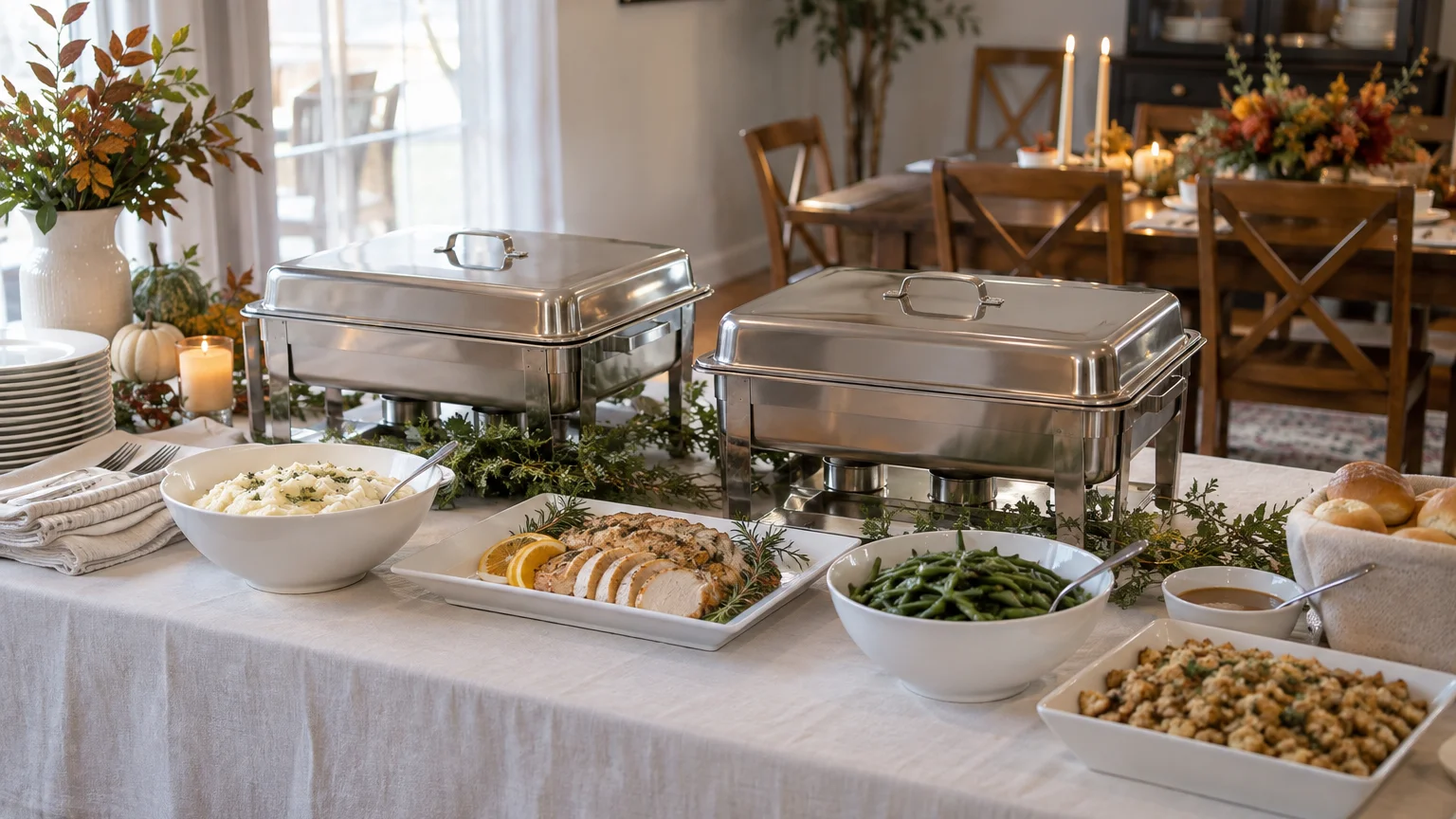
- Buffet or food service stations
- Bar area
- Gift table, cake table, or photo displays
- Walking space between tables and areas
A general starting point: plan for 12 to 15 square feet per guest for a seated dinner with a dance floor. For cocktail-style receptions with more standing room, you can work with slightly less.
But don't calculate this alone. A good rental company will ask about your event layout and help you choose a size that fits everything comfortably.
Tent Styles: Pole, Frame, and Sailcloth
Not all tents look or function the same. The three most common styles each have tradeoffs.
Pole Tents
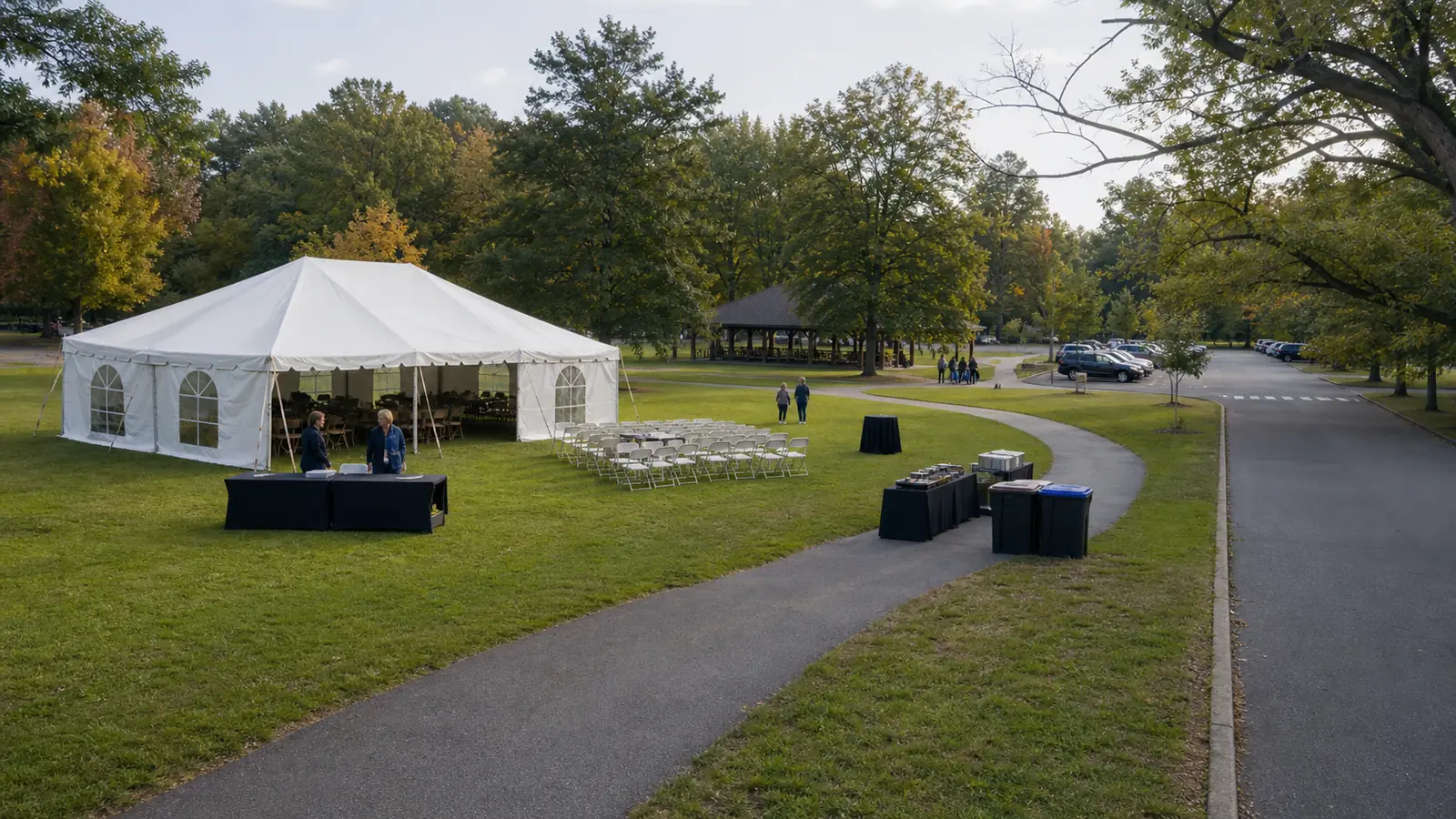
These are the classic white tents with high peaks supported by center poles. They create a dramatic, airy feel and work well for large outdoor weddings. The tradeoff: center poles take up floor space and require staking into grass or soft ground.
Frame Tents
Frame tents use an aluminum structure instead of center poles, leaving the interior completely open. They can be set up on patios, driveways, or uneven ground. They're more versatile but often have a flatter roofline.
Sailcloth Tents
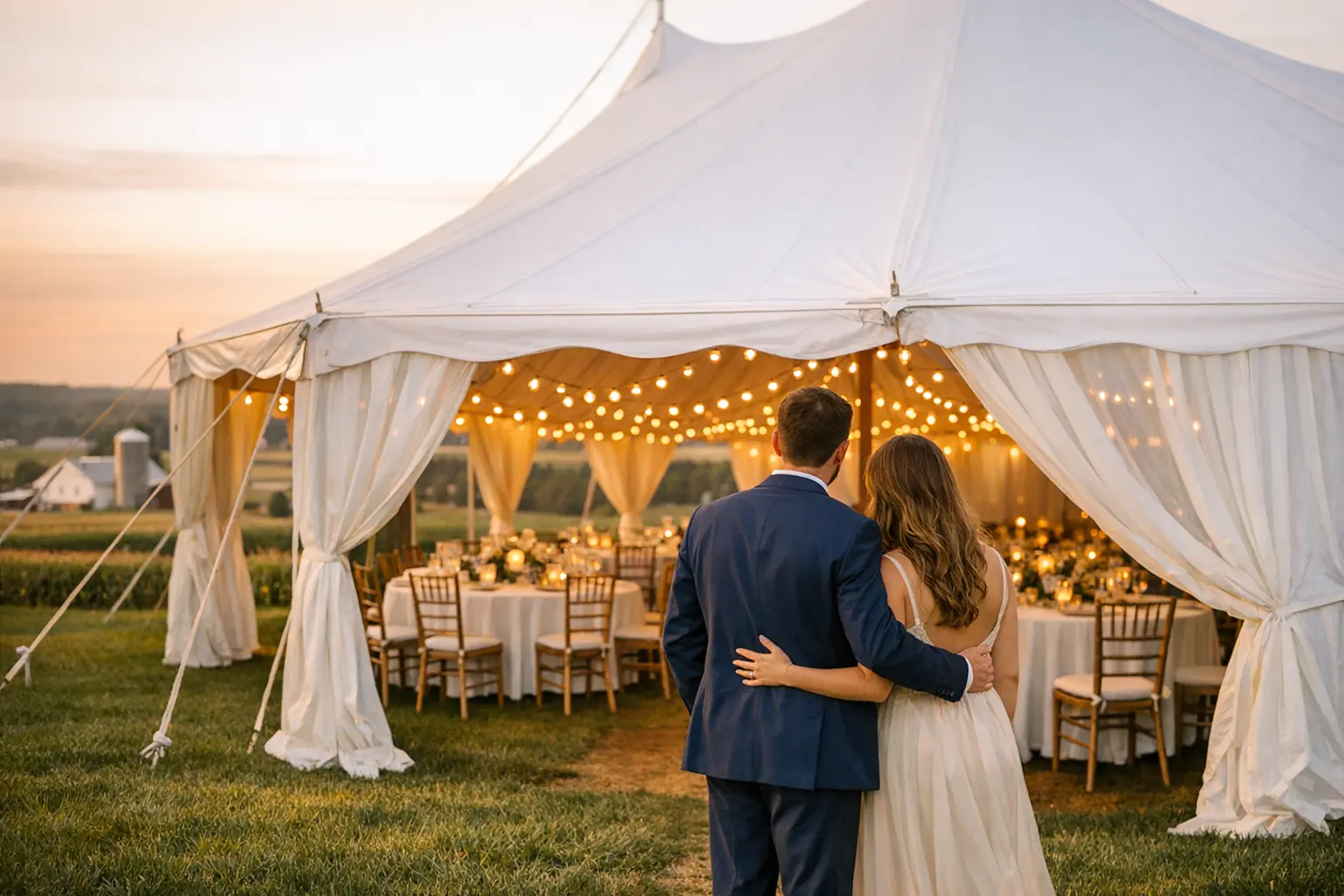
These feature translucent fabric that glows beautifully in daylight and evening. The sculpted peaks create an elegant silhouette. Sailcloth tents are popular for upscale weddings but typically cost more than standard pole or frame options.
Ask your rental company which styles they carry and which work best for your venue's terrain.
Sidewalls, Flooring, and Weather Backup
Pennsylvania weather doesn't always cooperate. Even a perfect forecast can shift.
Sidewalls attach to the tent's perimeter and provide protection from wind, rain, or cooler evening temperatures. Options include:
- Solid white sidewalls for full coverage
- Clear sidewalls to preserve the view while blocking wind
- Mesh sidewalls for airflow with some protection
If your wedding is in spring or fall, sidewalls should be part of your plan from the start. They can be added later, but last-minute changes are harder to coordinate.
Flooring matters more than most couples expect. Grass sounds romantic until guests in heels start sinking. Subflooring or interlocking flooring panels create a stable surface for dancing, walking, and setting up tables evenly.
For climate control, tent heaters or fans can be added depending on the season. Discuss these options early. Equipment availability tightens as wedding season approaches.
When to Book (Hint: Earlier Than You Think)
Wedding tent rentals book fast, especially for peak months like May through October.
Recommended timeline:
- 6 to 12 months out: Contact rental companies, get quotes, and reserve your tent
- 3 to 4 months out: Finalize details like sidewalls, flooring, and lighting
- 2 weeks out: Confirm delivery time, setup logistics, and contact information
Booking early gives you the best selection and locks in pricing. Waiting until two or three months before your wedding often means limited options or rush fees.
Questions to Ask Your Rental Company
Not all rental companies operate the same way. Before signing a contract, get clear answers on these points:
- What's included in setup and breakdown? Some companies set up the tent and leave. Others handle tables, chairs, and lighting installation.
- What happens if it rains? Understand the policy for weather-related changes or cancellations.
- When does delivery happen? Make sure the timeline works with your venue and other vendors.
- What condition is the equipment in? Ask how tents are cleaned and maintained between events.
- Is there a damage policy? Know what you're responsible for and what's covered.
A trustworthy rental company will answer these questions directly. If you're getting vague responses, that's a signal.
Why Local Matters
Large national rental companies exist, but they can't offer what a local partner can.
A company based in your area knows the terrain, the weather patterns, and the venues. They've likely set up at the barn you're considering or the backyard where you grew up. They can get to your site quickly if something needs adjustment.
Local also means accountability. When you rent from a business rooted in the community, your wedding isn't just another transaction. It's their reputation on the line.
Your Tent Sets the Stage
The tent is where your guests will eat, dance, laugh, and celebrate your marriage. It shapes the atmosphere of your entire reception.
Choosing the right one comes down to honest planning: knowing your guest count, understanding your venue's layout, and working with a rental company that asks the right questions and delivers what they promise.
If you're starting your search, the next step is simple. Reach out, describe your vision, and get a quote. The sooner you start, the more options you'll have.