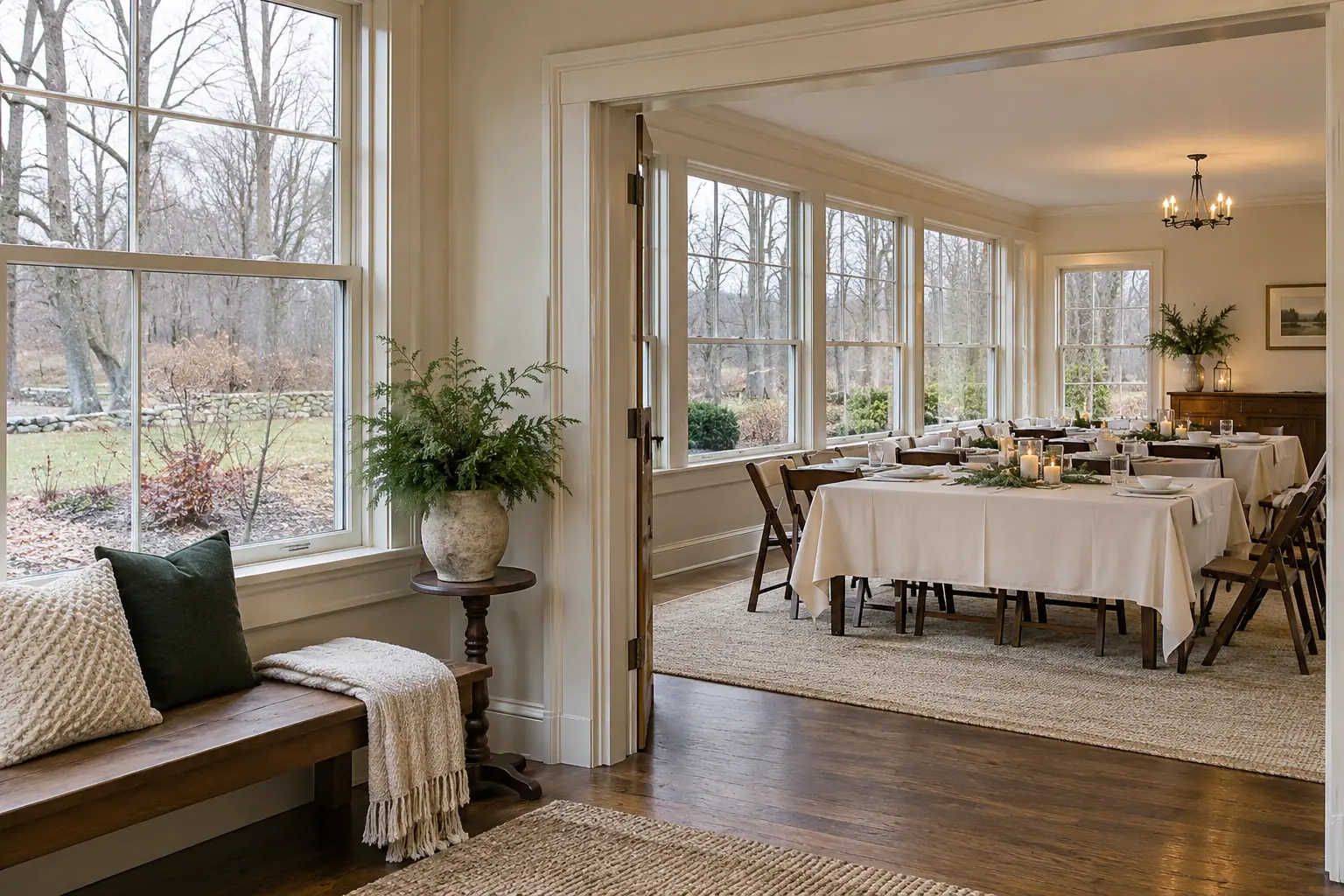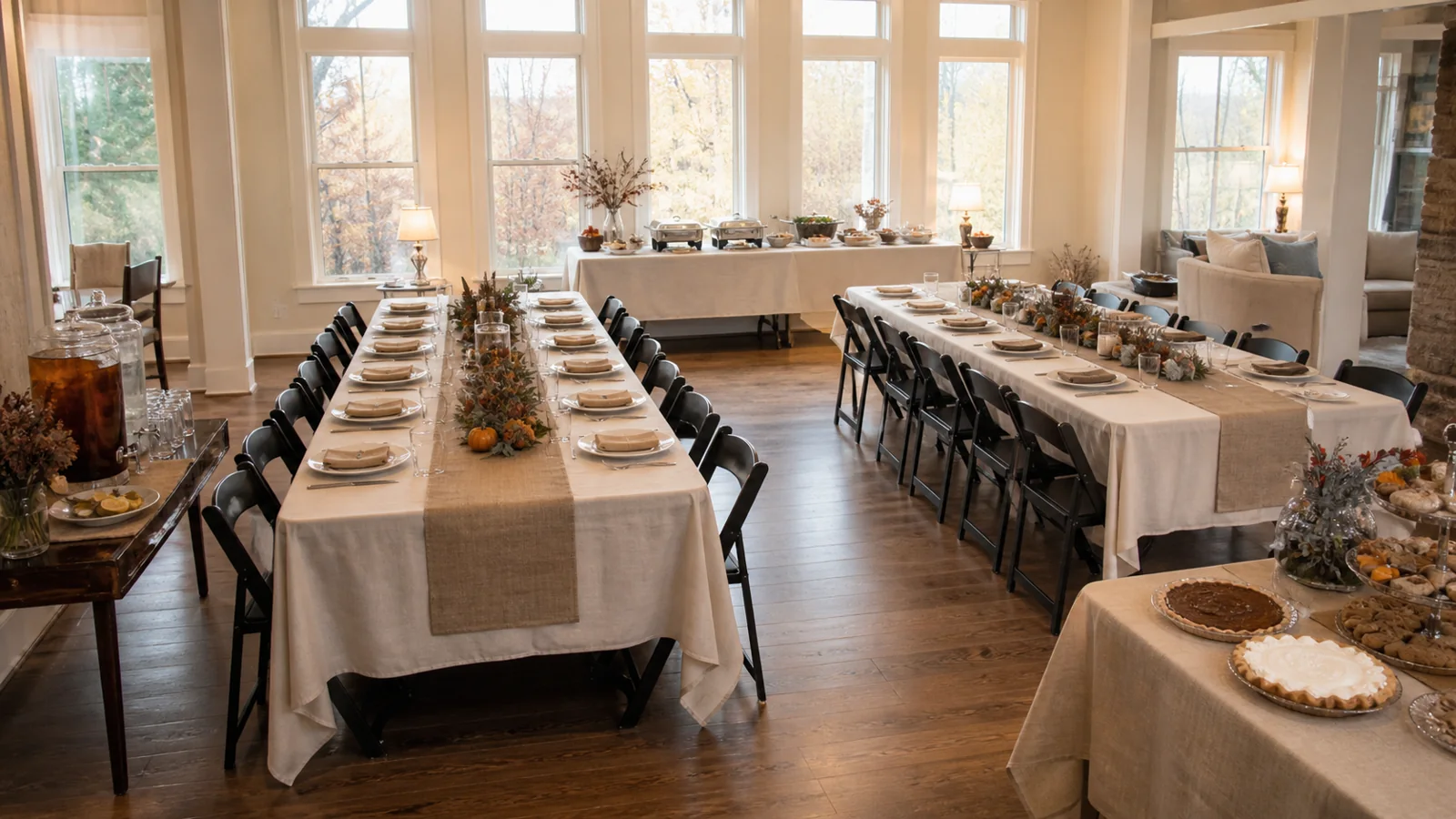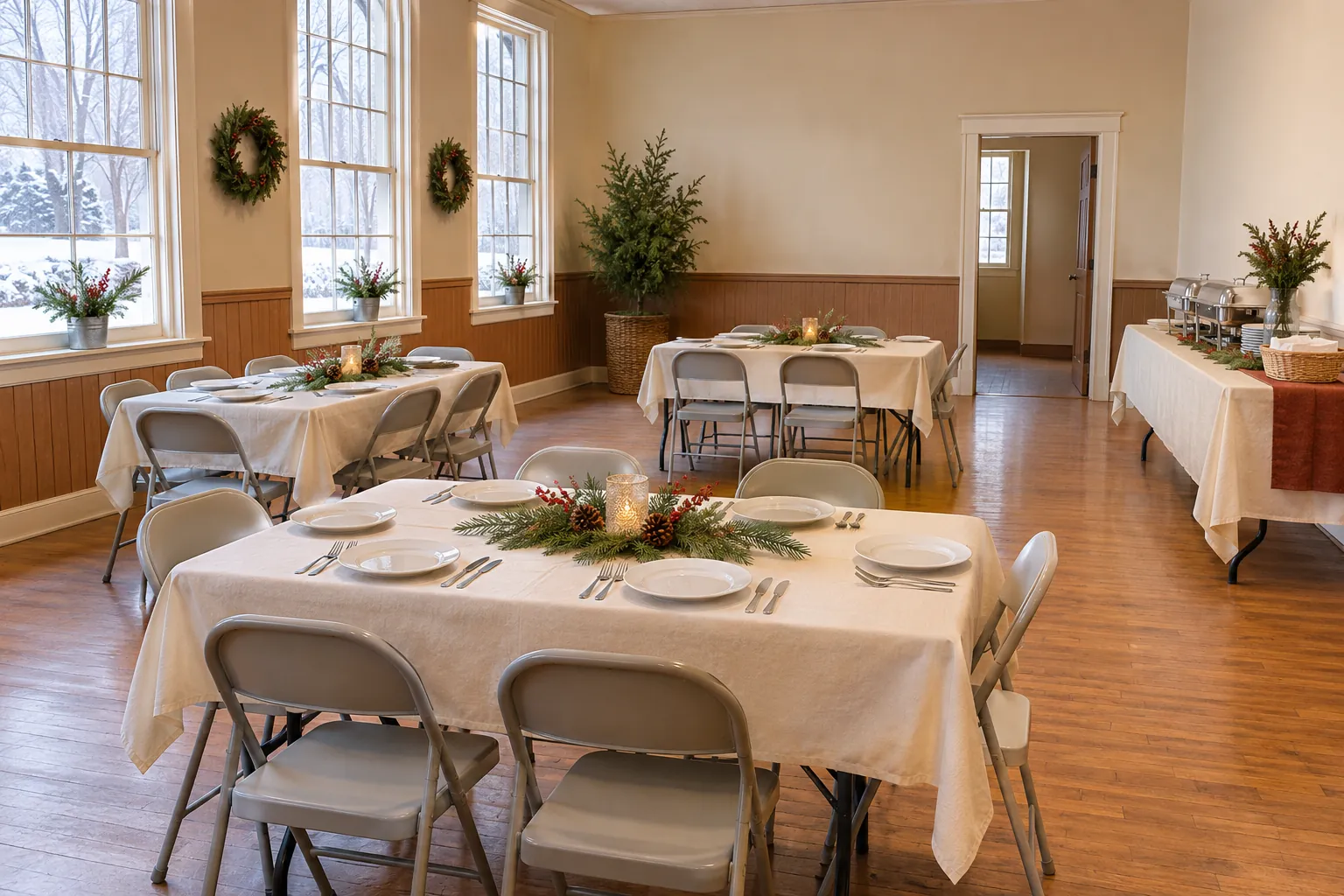
The tables are in place, the kitchen is busy, and the first guests are arriving. Then someone asks where the spare forks went. Another volunteer is waiting for an empty cart, while the person who received the rentals has already left. A community dinner can have enough equipment and still lose time because the handoffs were never agreed.
For a church Christmas dinner, give each part of the evening a named owner before assigning individual jobs. One person does not have to do everything at a station. That person needs to know what should be ready, who is helping, and who takes over next. This approach works for a small faith-community meal or a larger gathering in a hired hall, with the venue and food-service leads approving the arrangements.
Start with the meal your team can actually serve
Choose the serving format with the people responsible for the food. A plated dinner, a buffet, and a meal served in two sittings create different jobs. A buffet needs someone managing the agreed service sequence and someone watching replenishment. A plated meal needs a coordinated route from the kitchen to the dining tables. Neither should depend on volunteers improvising once guests are seated.
Write down the expected diners, service time, menu, dietary-request process, and the kitchen facilities available. Include the time the room must be handed back. These details decide which surfaces, dishes, utensils, and people belong on the plan. Decorations can follow after the practical arrangement works.
- Who has authority to change the food-service timing?
- Which team receives dietary questions and knows where ingredient information is kept?
- When must dining tables be ready, and when does clearing begin?
- Who can approve a change to the venue's room layout?
Give receiving and setup a proper handoff
The receiving lead should have the final agreed rental list, the venue contact, and a marked room sketch. Confirm the delivery or collection arrangement with the provider, including where items will be placed and what setup work is included. A volunteer who only knows that tables are coming cannot check a delivery against the dinner plan.
Keep the supplied packaging and return instructions together. Once the count and arrangement have been checked, the receiving lead hands the list to the setup lead. Record anything unresolved immediately, rather than passing along a message that something might be missing. The person taking over should be able to see what is ready without starting the count again.
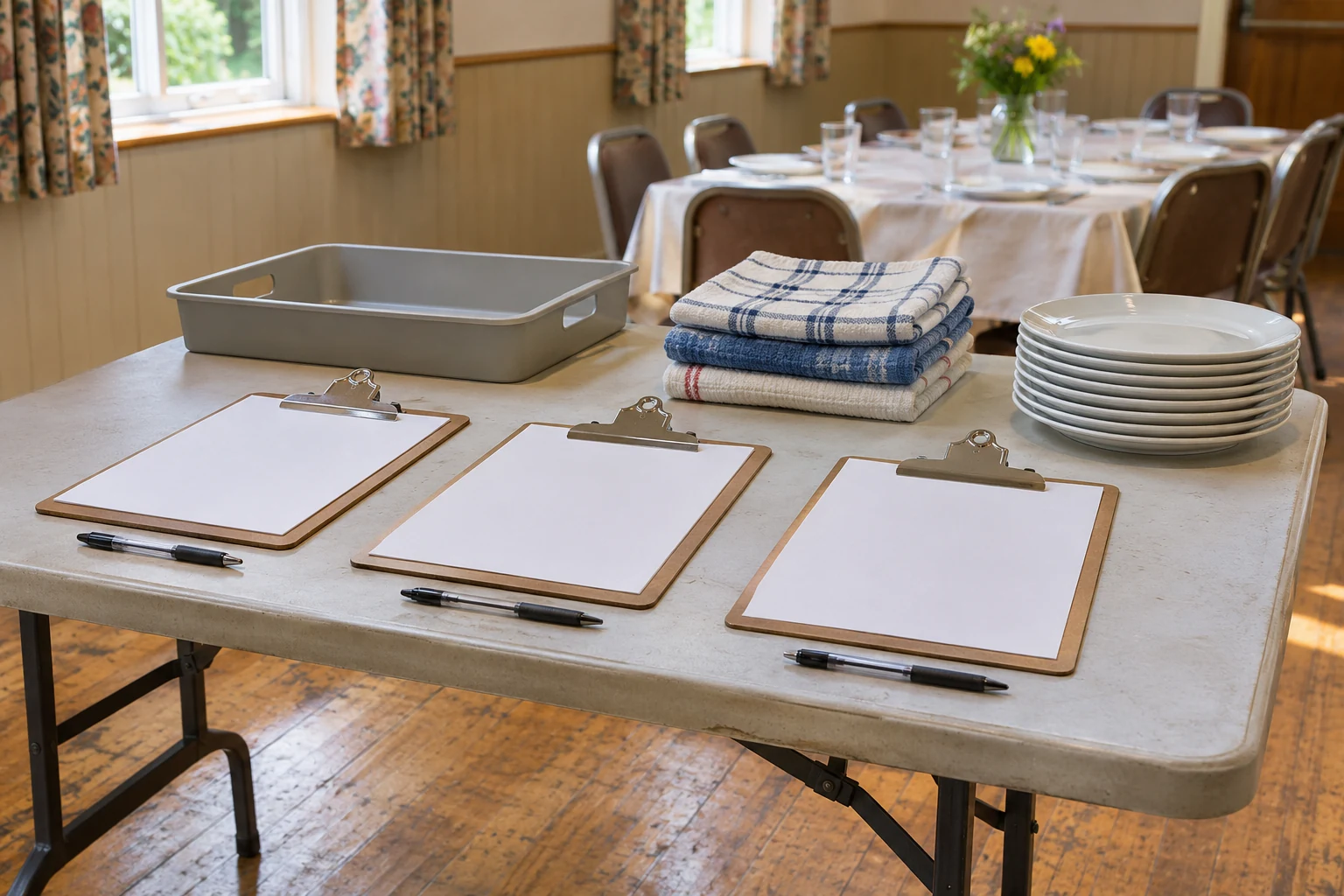
Separate welcoming guests from serving dinner
A welcoming volunteer should be able to help someone find a seat without leaving a food-service job unattended. Agree where guests enter, where coats belong, and who can help with a seating question. If attendance is recorded, use the organization's approved approach and keep personal information out of public view.
Walk the room with the venue contact before setting every table. Check the routes to dining places, restrooms, exits, and any quieter seating area. An attractive welcome table can still be in the wrong place if the queue blocks the doorway. Keep necessary seated options available rather than assuming everyone can wait standing.
Keep the food lead in charge of food handling
Volunteers need a clear operating plan from the responsible food-service lead. That plan covers receiving food, holding it appropriately, replenishment, utensils, clearing, and leftovers. A rental table or warmer does not supply those decisions. The FDA's safe buffet guidance is a useful starting reference for the food team, alongside the requirements that apply to the actual event.
Keep clean replacement pieces separate from used dishes. Assign someone to check that serving utensils stay with their intended dishes and to bring questions back to the food lead. Our Thanksgiving buffet equipment guide can help turn the menu into an equipment list, without replacing the food provider's instructions.
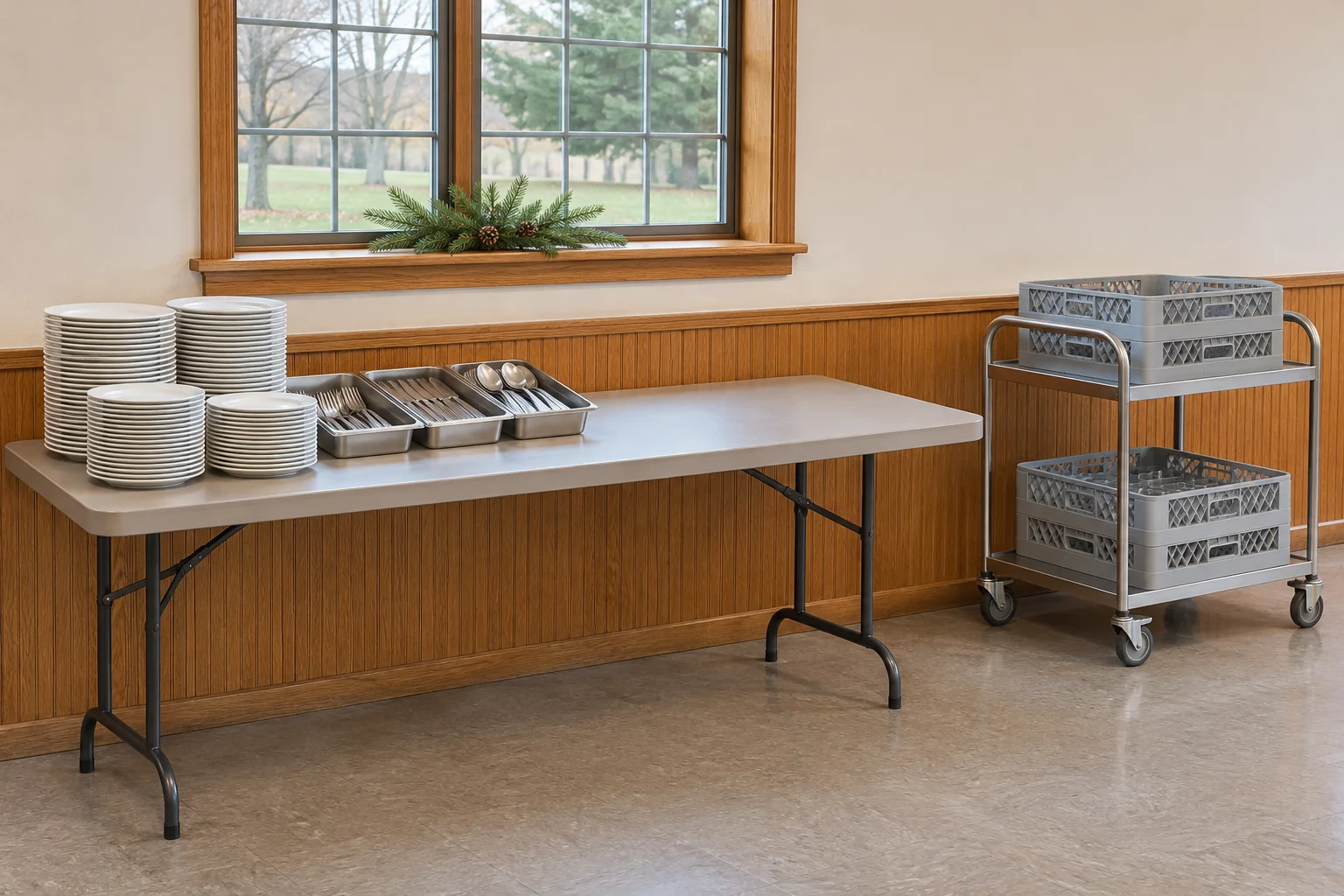
Use one roster for the whole evening
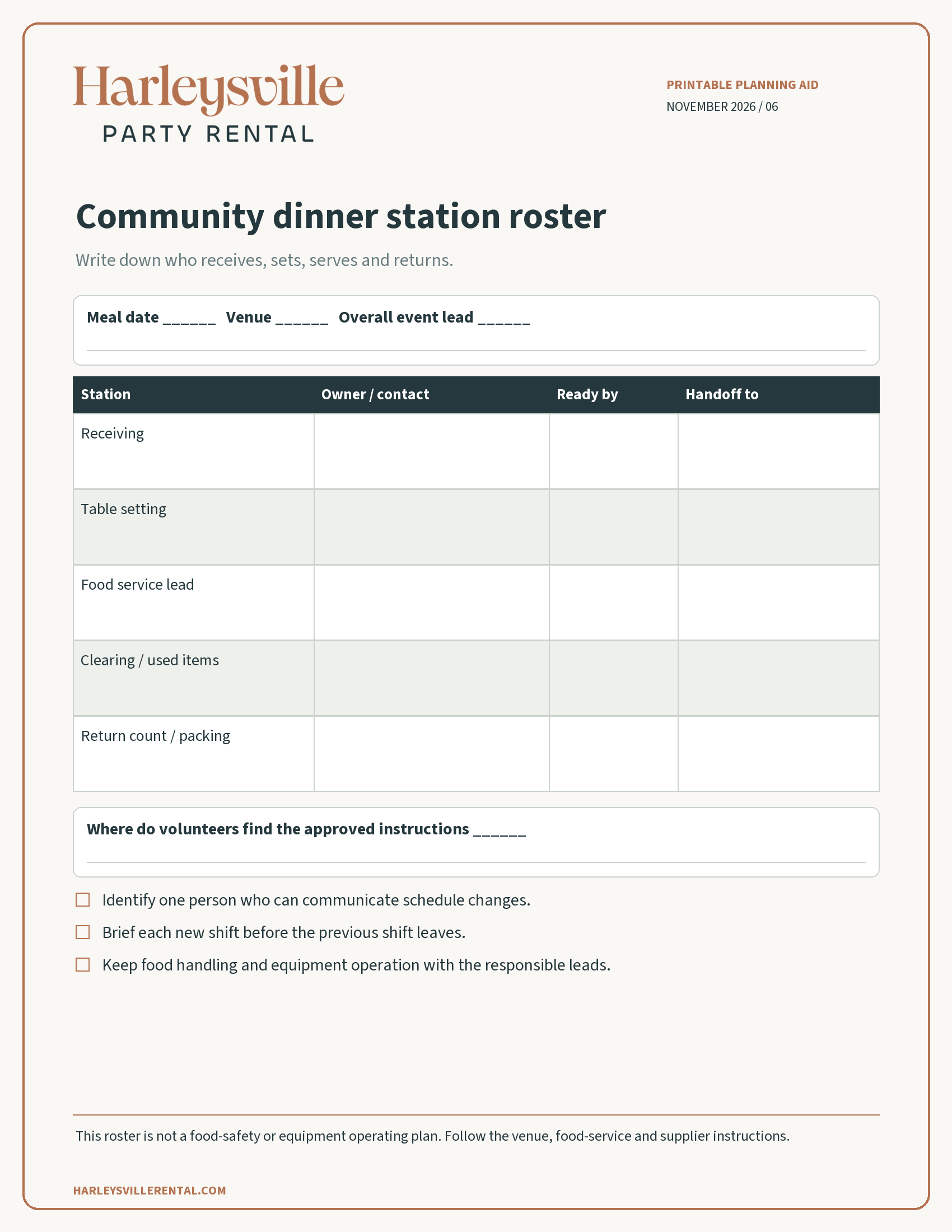
A useful roster connects each station to its next handoff. Give it a lead, a ready-by time, a short equipment list, and the name of the person taking over. Ask the outgoing and incoming volunteers to review the actual station together. This is particularly helpful when the people setting tables will not be there for collection.
For an illustrative evening meal, the receiving lead might hand counted equipment to setup before the dining team sets places. The dining lead then hands the ready room to the welcome lead, while the food lead retains control of service. After dinner, clearing passes cleanly to the packing lead. These are example roles, not a staffing recommendation or a fixed schedule. Combine roles only where your team can cover the work.
- Write the station's job in one sentence.
- Name its lead and the person who takes over next.
- List the equipment and supplies the station needs.
- Agree its ready-by time with the shared event schedule.
- Brief both people on unresolved questions before the shift changes.
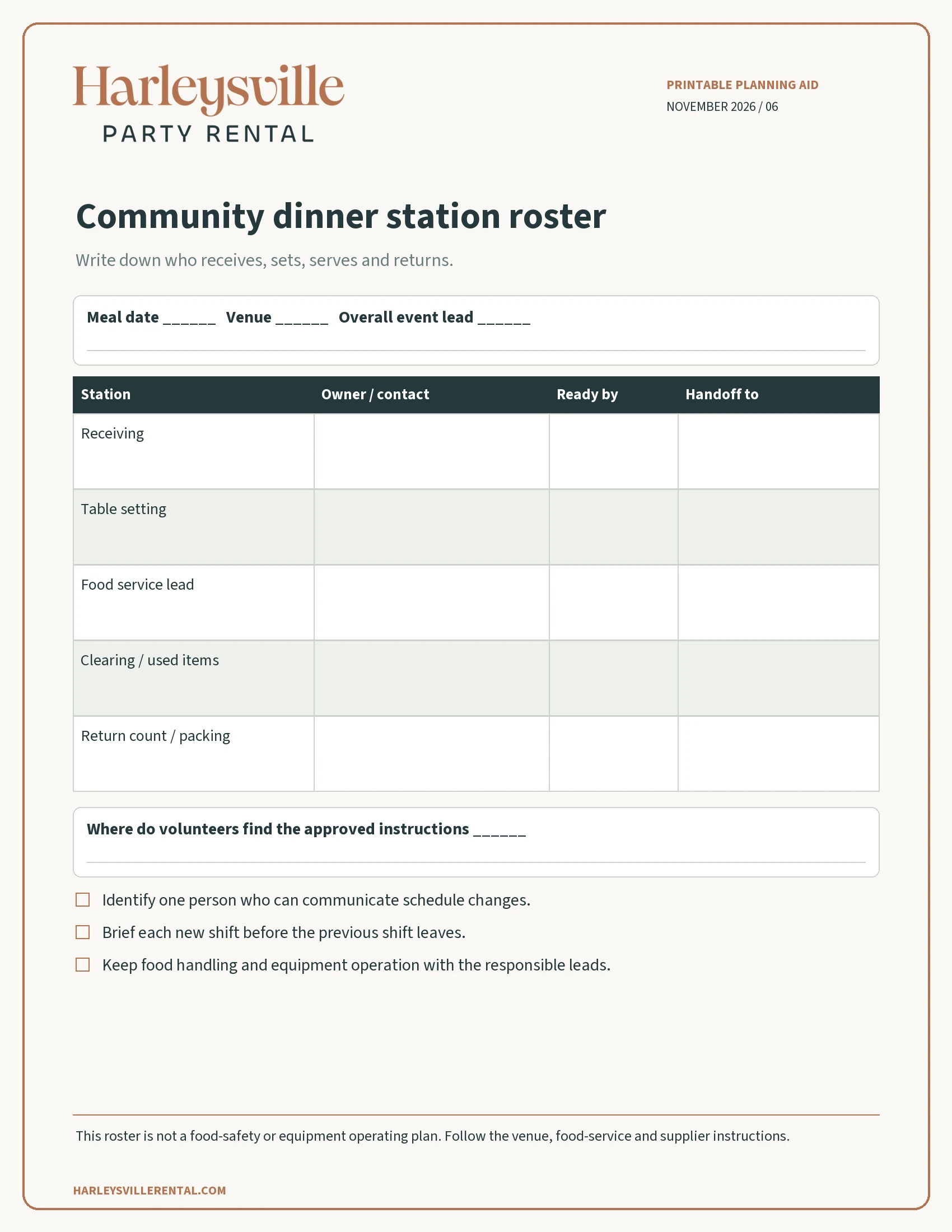
Open the full-resolution planning worksheet to print or save.
Plan the last volunteer's job before the first guest arrives
Packing is easier when the team has the provider's actual instructions, enough time, and a designated place for returns. Identify who counts the pieces, who checks the room, and who remains the collection contact. Do not assume the cleaning process for household dishes is also the rental company's return requirement.
Build the request from the station list, then compare it with the Harleysville Party Rental catalog. Include the chairs used by volunteers and the surfaces needed for spares or clearing, not just guest places. If your event also includes an auction or fundraising program, use the separate fundraising dinner setup guide for those additional operations.
Frequently asked questions
Does every station need a different volunteer?
Not necessarily. One person can cover compatible jobs when the timing and workload allow it. Name the responsibility explicitly and provide cover for breaks, shift changes, and questions rather than leaving a station ownerless.
What should the person receiving rentals have?
The final agreed item list, the placement plan, venue access details, the provider's contact, and confirmation of what setup is included. Keep packaging and return instructions available for the team packing afterward.
Can we use the same table for several jobs?
Possibly, if those jobs occur at different times and the transition is planned. Name who clears and resets it, where supplies wait, and when it must be ready. Food-service surfaces need the food lead's approval.
What belongs in a community dinner rental request?
Send the date, location, diner count, serving format, venue-approved room sketch, station equipment list, and setup and collection windows. Include access constraints and identify the contact responsible for the rental handoff.
Bring a station plan to your rental conversation
Once the venue and food team have reviewed the arrangement, request a quote from Harleysville Party Rental with the station list and event details. A named owner for receiving, service, and returns gives the rental conversation a useful starting point and gives volunteers a plan they can pass on.