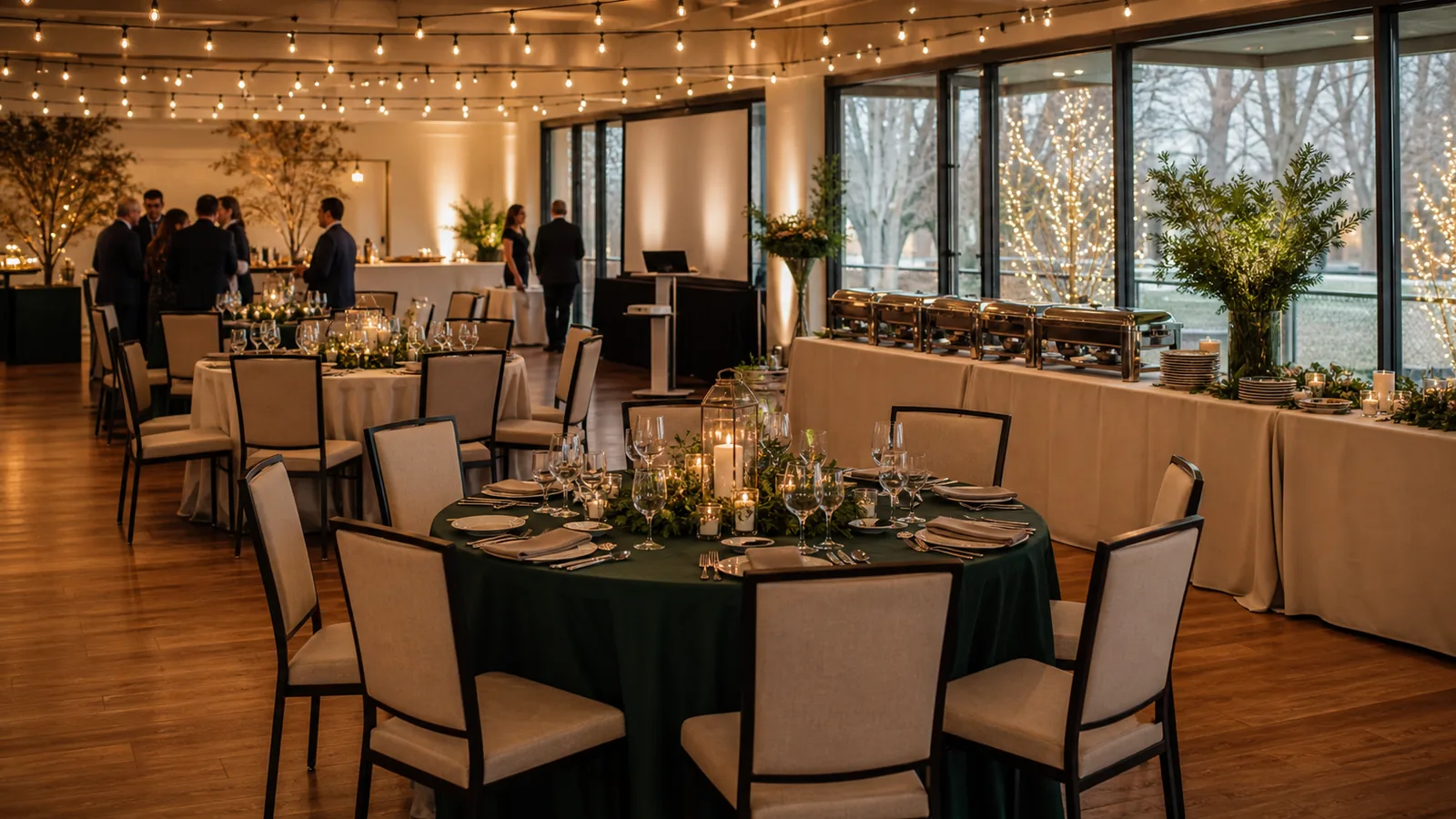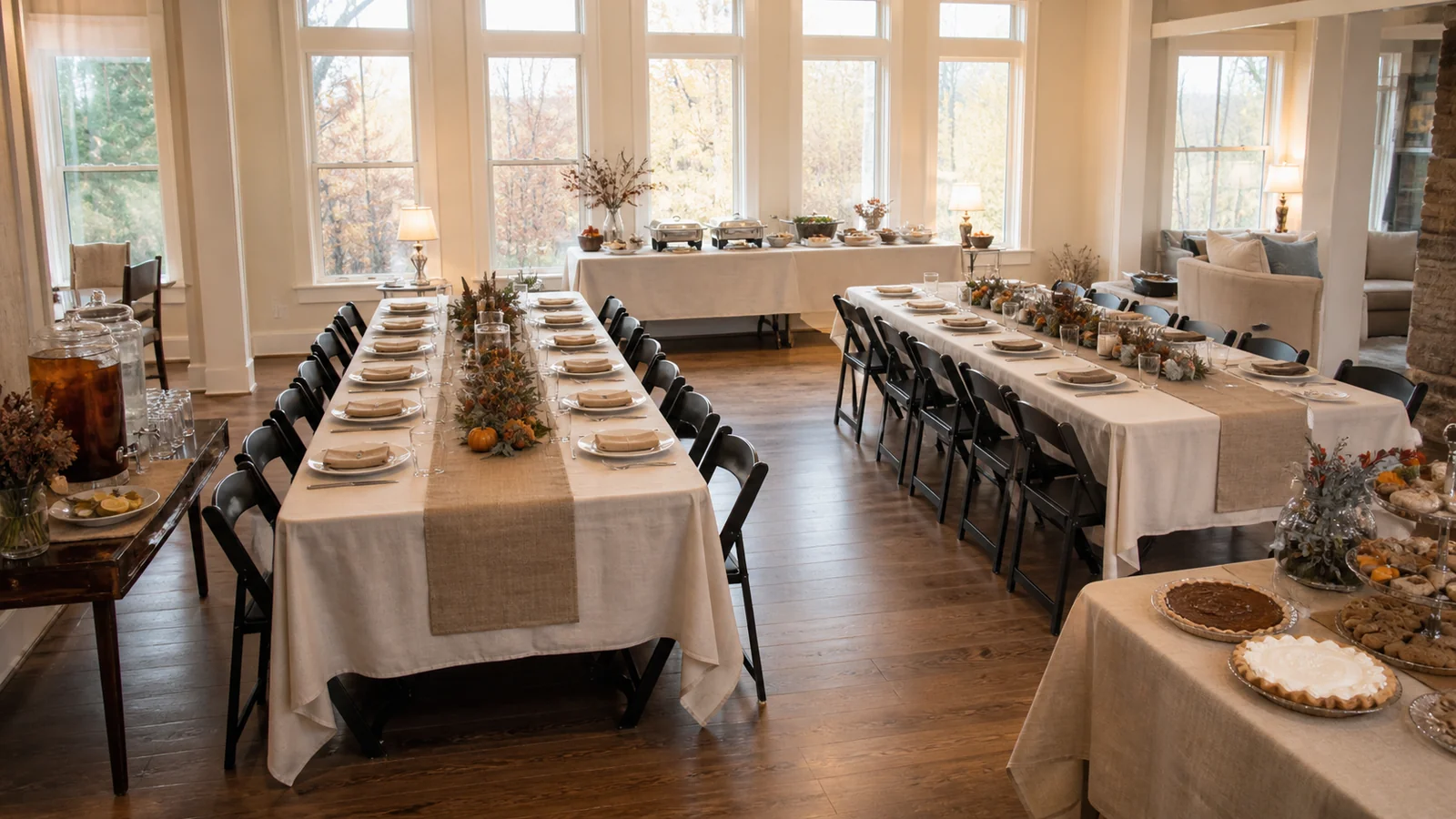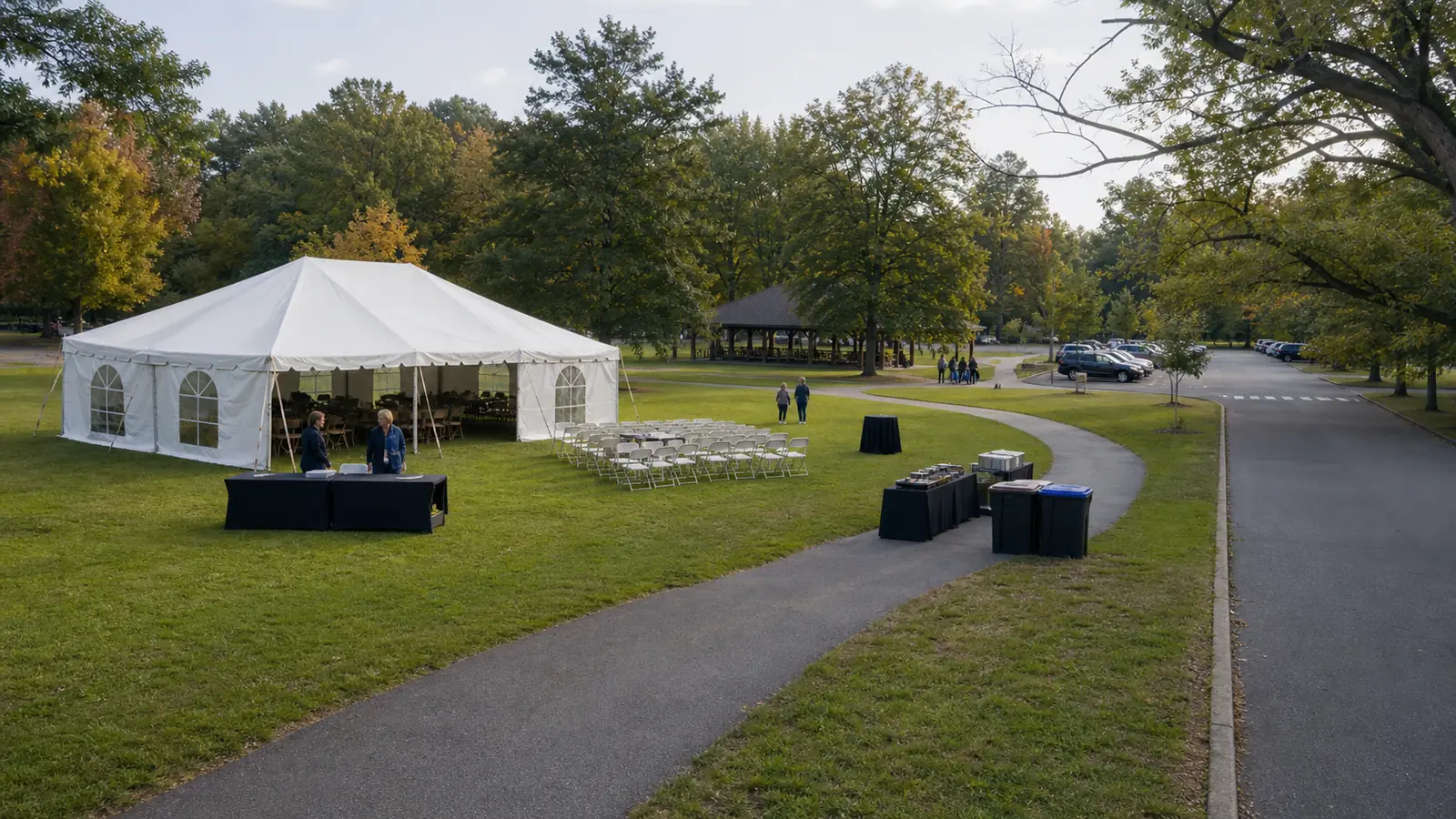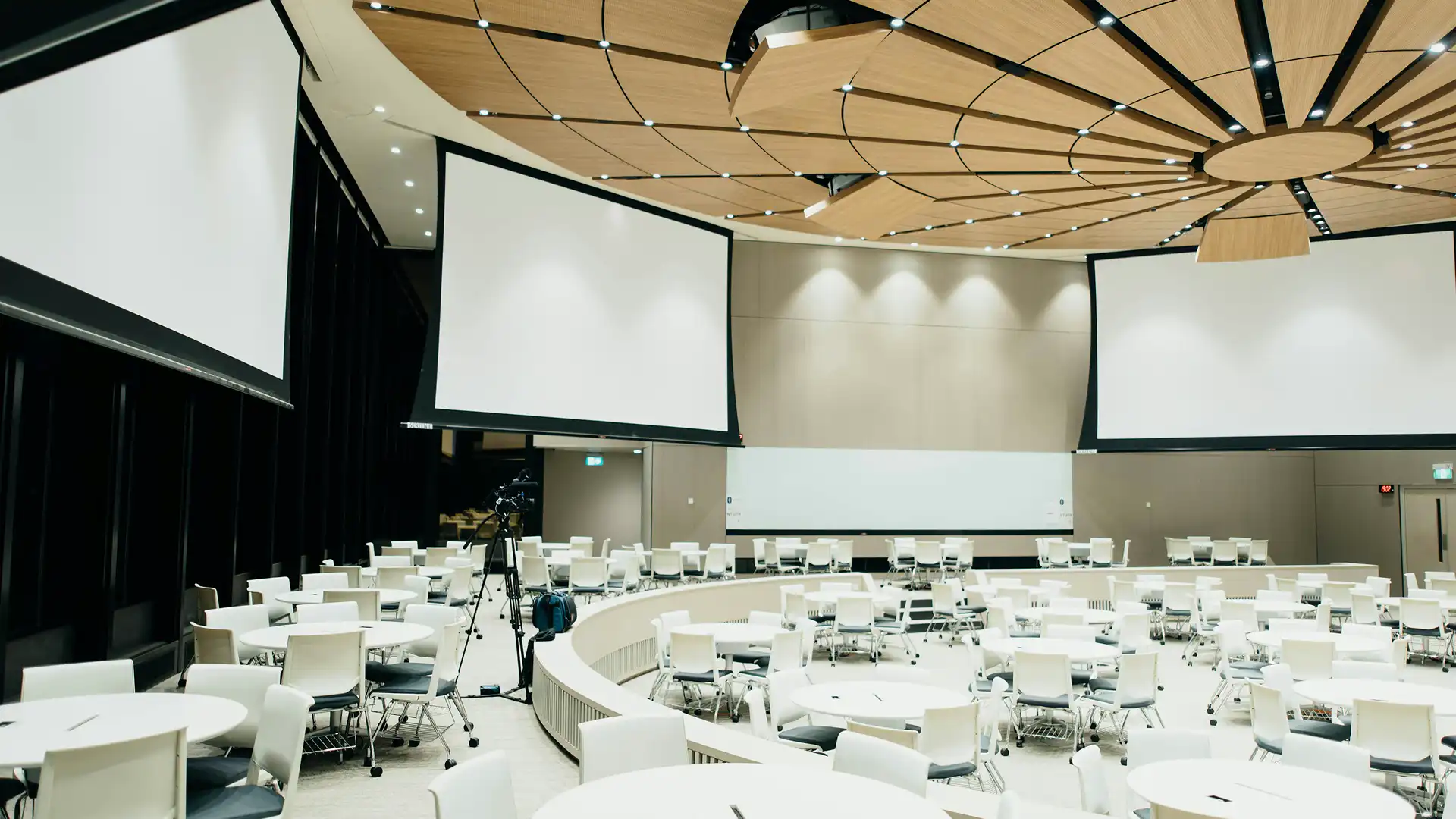

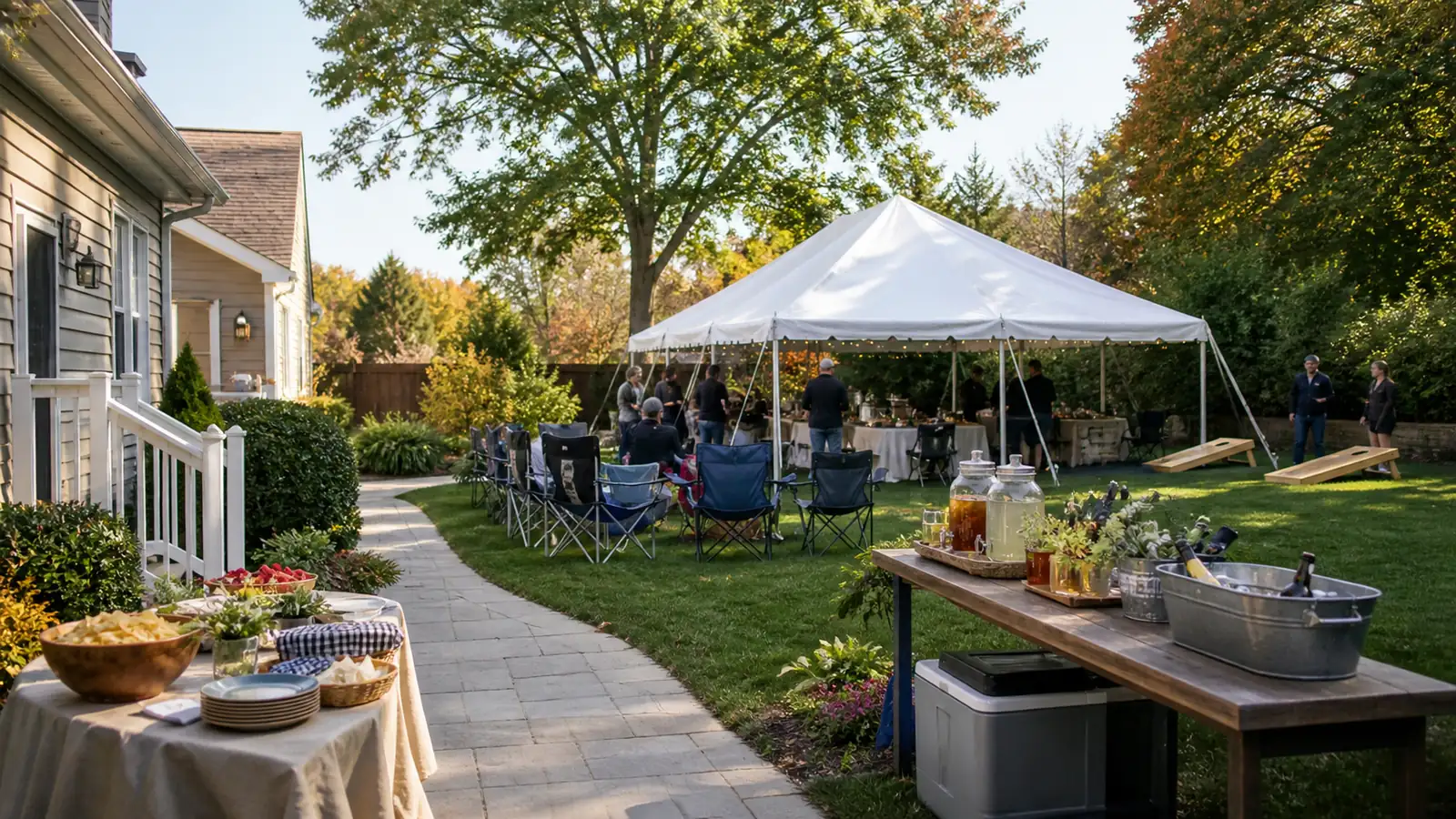
Game day works best when the backyard gives guests a few clear choices: where to watch, where to sit, where to grab food or a drink, and where to play between drives. The difference is a layout that keeps hot food away from traffic, gives seating a real purpose, and leaves a dry path when the forecast changes.
Start with the space you have, not a picture from a stadium lot. Measure the usable part of the yard, note gates and steps, and decide where guests will enter. Then build zones around the habits you expect. Guests who are watching the game should not need to cross a yard-game lane for a refill. The grill team needs room to work without becoming a bottleneck. A few decisions made before rentals are ordered can make the whole afternoon easier to host.
Begin with five backyard tailgate zones
Think of the yard as a small event site. Each zone needs a job, a route in and out, and enough open space around it for guests to move comfortably.
1. The viewing zone
Put the viewing area where seated guests can see and hear without standing in a food line. If you are using a television or projector of your own, test sightlines before the event. Avoid aiming a screen toward late-day sun, and keep chairs far enough back that people can pass behind them.
For a daytime-to-evening tailgate, a tent or shade plan can make the viewing area more usable, but the right size depends on the yard, guest count, ground conditions, and equipment location. Leave an edge open for circulation instead of filling every square foot with chairs. Guests appreciate a place to stand, stretch, or join a conversation without blocking the screen.
2. The seating zone
Seating has two jobs at a tailgate: it gives people a place to settle in for the game, and it gives them a place to eat. Those needs do not always belong in the same row.
- Use dining-height tables for guests who will eat a meal or share snacks.
- Keep a smaller group of flexible seats near the viewing zone for people who want to watch closely.
- Place cocktail-height surfaces where guests are likely to stand, such as near beverages or at the edge of the game area.
- Leave a clear route from seats to the food and restroom access point.
Do not assume every guest needs a chair at the same moment. A mix of seated dining, standing surfaces, and open conversation space usually suits a casual game-day crowd better than one tightly packed row of chairs.
3. The food station
Put food on a surface that is easy to reach from more than one side, with room behind it for the host or a helper to replenish items. A food table placed against a fence may look tidy but can create one long queue. If the menu includes hot items, keep serving traffic separate from the cooking area and follow the equipment manufacturer’s directions for every appliance.
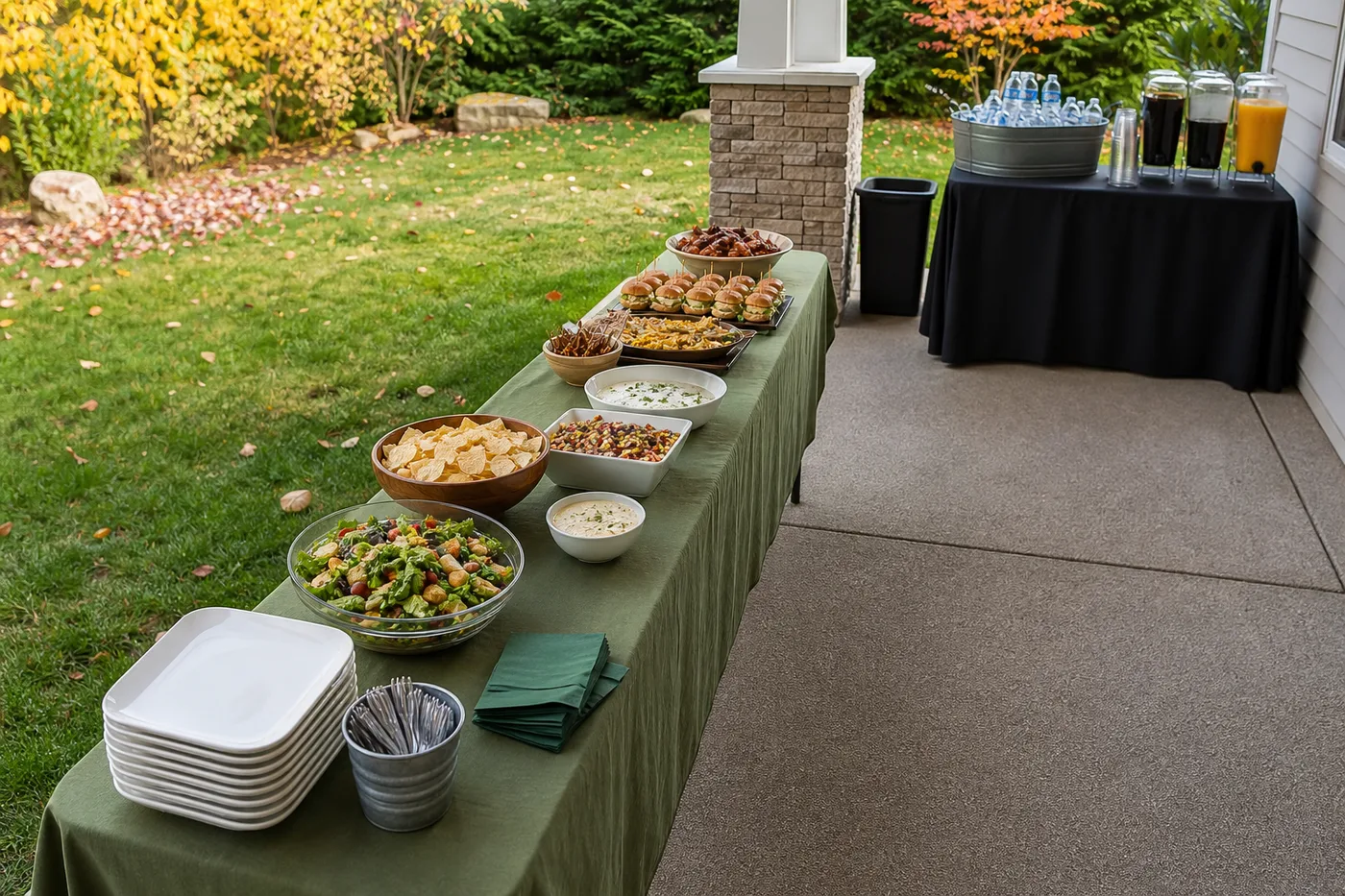
Set up the station in a simple order: plates and napkins first, main food next, sides after that, then utensils and condiments at the end. This keeps people moving in one direction. Place a trash or recycling point a short walk beyond the last item, rather than directly beside the food.
4. The drink station
Beverages deserve their own location. A separate drink station prevents guests from returning to the food line every time they want water, ice, or a refill. Keep it visible from the viewing area but away from electronics, power connections, and the busiest walkway.
Plan for nonalcoholic drinks at the front of the station. Label containers or tubs clearly, keep an empty spot for used cups, and assign someone to watch ice and water. If you are considering coolers, beverage tubs, a bar, or other rental pieces, confirm what is currently available before you set the menu around them.
5. The games and social zone
Lawn games can give early arrivals and non-viewers something to do, but they need a defined lane. Put tossing or active games away from the screen, food, parked vehicles, and small children’s seating. Set the play area at the edge of the gathering, then leave room behind each player so spectators do not stand in the path of a throw.
Choose one or two games that fit the age range and yard. HPR’s live catalog includes a yard-games category, but the specific game and quantity should be confirmed for the date. A smaller game area that stays active is more useful than several scattered activities that take over the yard.
HPR’s Backyard Parties page can help you frame the equipment conversation around the way you want to use the yard.
Build the setup in this order
A good tailgate layout starts with the fixed conditions, then moves outward to the flexible pieces.
- Walk the yard. Mark gates, steps, uneven ground, utility features, parked-car areas, and the route a delivery team would need to use. Keep emergency access and a clear guest path in mind.
- Choose the viewing direction. Check sun angle, screen visibility, seating sightlines, and where sound will travel. Keep the viewing area away from food preparation and active games.
- Place weather cover and seating. Decide where guests could stay dry or shaded, then put tables and chairs beneath or beside that area with room for people to move around them.
- Add food and drinks. Set the food station near the host’s work area, the drink station on a separate route, and waste containers where guests will actually see them.
- Set the game boundary. Reserve a clear lane for play, then check that a missed toss cannot reach food, seating, a vehicle, or a walkway.
- Review the evening plan. Identify paths, steps, food service, and seating that need light after dusk. Plan any power needs with a qualified rental professional or electrician as appropriate.
- Do a final route test. Walk from the entrance to food, drinks, seats, games, and restroom access. If someone carrying a plate has to cut through the game zone, move a table before guests arrive.
Plan weather cover before the forecast forces the issue
Fall weather can change over the course of one game. A rain plan is more useful when it is part of the layout from the beginning, not an extra thought after tables are already placed.
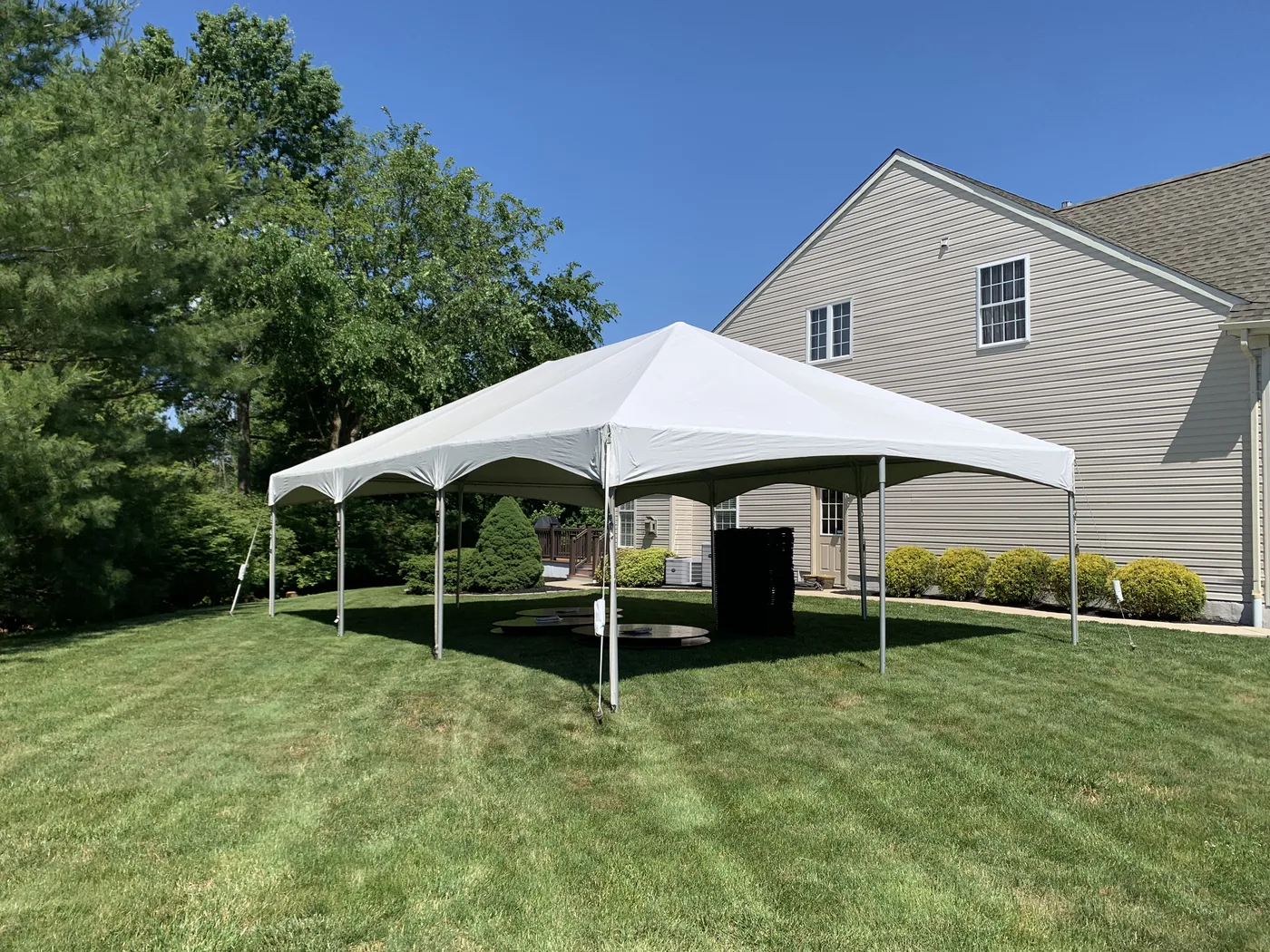
For light rain or strong sun, a properly planned tent can create a shared covered area for dining, viewing, or both. The HPR backyard page says tents with sidewalls, weights, and rain-friendly layouts can be discussed for wet weather. The company also notes that tent fit depends on layout and access, and may offer a site check when needed. Ground surface, wind exposure, utilities, and local property rules all matter, so do not make staking, weighting, or sidewall decisions without a site-specific conversation.
A weather plan should answer these questions:
- Where will guests enter if the ground is wet?
- Which food items need to stay dry or out of direct sun?
- Can the viewing zone still work if guests move under cover?
- What will happen to lawn games if the ground becomes slippery?
- Who will monitor the forecast and tell guests if the schedule changes?
If conditions become unsafe, pause the activity and follow local weather alerts. For thunderstorm safety, use the event’s designated substantial building or enclosed hard-topped vehicle rather than a tent, then follow the site’s emergency plan.
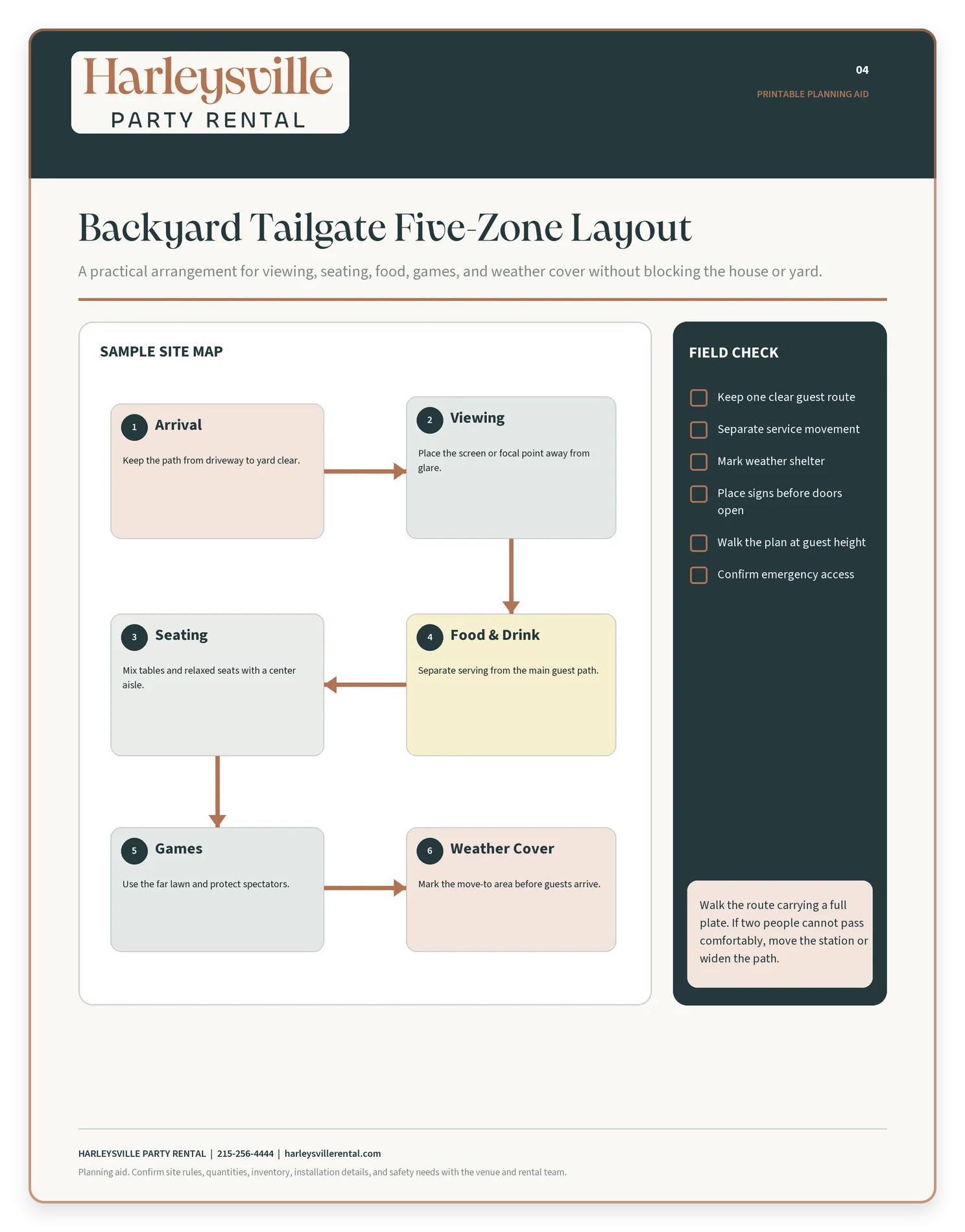
Open the full-resolution planning guide to print or save.
Keep power, sound, and walkways in the plan
Power needs often show up late, when a host realizes the viewing setup, food equipment, lighting, and phone charging are competing for the same outlet. Make a list of every item that needs power before choosing locations. Share that list with the rental team if you are asking about power support. HPR lists lighting and generator options in its current rental catalog, subject to confirmation for the event date.
Do not run cords through doorways, across open walkways, or where guests may trip. Do not overload household circuits or create an outdoor electrical setup from guesswork. Ask a qualified professional about site-specific power planning, equipment compatibility, and safe cable routing.
Sound deserves similar attention. Keep speakers aimed toward the group rather than neighboring homes, set a reasonable volume, and identify a quieter conversation area for guests who do not want to sit beside the broadcast. Check local rules and any homeowner association requirements before the event.
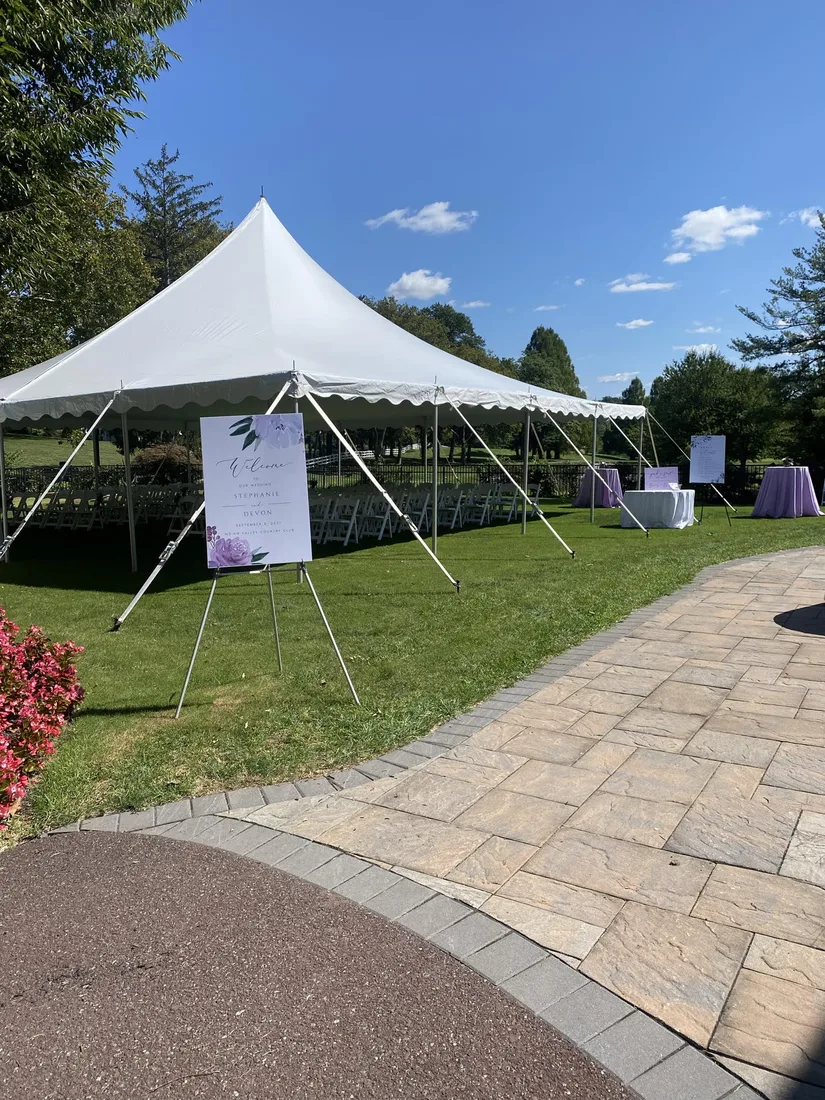
Compare the powered items and furniture in your plan with the rental catalog before asking the team to review the full equipment list.
Make the quote request more useful
One well-prepared request saves a back-and-forth later. When you contact HPR, include the date, address, approximate guest count, event hours, usable yard dimensions, gate or access details, surface type, and a short description of the zones you want. Add the food plan, evening timing, and any power needs. The team can then help you discuss a package or individual items that fit the site, with current availability confirmed before you commit.
Frequently asked questions
How much seating does a backyard tailgate need?
Plan dining seats for guests who will eat at one time, then add a smaller set of flexible seats near the viewing area. A casual event can also use standing-height surfaces, as long as guests still have a comfortable place to set down food and drinks.
Should the food station go under the tent?
It can, if the tent layout leaves enough room for a line and keeps food service separate from seating and viewing. The cooking equipment, food type, weather plan, and manufacturer instructions should guide the final placement.
Can a tailgate have lawn games and a viewing setup in the same yard?
Yes, when they have separate zones. Put active games at the edge of the gathering, preserve a buffer behind players, and keep their path away from food service and people watching the game.
When should I ask about tents, lighting, or games?
Ask as soon as you know the date, yard, and rough guest count. HPR’s backyard page suggests reserving core backyard items four to eight weeks ahead, then confirming guest count and add-ons two to four weeks before the event. Availability can change, so request a current quote for your date.
For broader timing guidance, read How Early Should You Book Party Rentals?
Ready to map out game day?
Tell Harleysville Party Rental the date, guest count, yard details, and the kind of tailgate you have in mind. Request a quote to discuss a site-appropriate mix of current rental options, delivery, and setup support.